STORY PREVIEW

2024

Kilts Feed Kids

Glasgow Caledonian University

Ayrshire

MENTOR

Richard Longmuir

Step 1 FEEL

Here are some challenges or problems that might be identified based on the inspiration from the Kilts Feed Kids campaign: Food Waste and Food Insecurity: Similar to the issues Launch Foods addresses, food waste and hunger can be common in schools and neighbourhoods. Many families may struggle to provide regular, nutritious meals for their children, while local restaurants and grocery stores may discard surplus food that could be redirected to those in need. Child Poverty and Access to Essentials: There are likely children and families in local communities who live below the poverty line and lack access to basic needs, including healthy meals, school supplies, or even weather-appropriate clothing. Awareness of Social Inequities: Lack of awareness can hinder meaningful action toward supporting vulnerable communities. Many people may not know about issues like food insecurity, especially if they don’t directly encounter these problems. Limited Access to Mental Health Support: In schools and communities, mental health resources may be scarce, making it difficult for individuals to get the support they need for challenges like stress, anxiety, or depression. Environmental Issues and Sustainability: The problem of waste extends beyond food, with other forms of waste and environmental degradation affecting communities. Littering, pollution, and a lack of recycling options are common issues that can make neighbourhoods less liveable and contribute to broader environmental problems. Opportunities for Community Engagement: Often, communities lack regular, accessible events or initiatives that bring people together for a good cause. Programs or campaigns that encourage people to come together, volunteer, or support each other can be valuable for community building. Unemployment and Job Insecurity: Families may be struggling with job insecurity or unemployment, especially in areas impacted by economic changes or where there may be fewer job opportunities. Health and Wellness Awareness: Many schools and communities could benefit from initiatives that promote physical activity, nutrition, and overall wellness. Making these resources available and encouraging healthy lifestyle choices can positively impact the community’s health. Identifying these challenges is the first step toward designing innovative solutions, like the Kilts Feed Kids campaign, to raise awareness, engage the community, and address these pressing issues.

The problem chosen to work on is food insecurity among children in the community. Food insecurity affects children’s health, academic performance, and overall well-being. When children go without consistent, nutritious meals, they may struggle with concentration in school, experience lower energy levels, and face developmental challenges. Many families in low-income neighbourhoods rely on free or subsidised meals, which may not be available during school breaks or emergencies. Additionally, the issue of food waste in stores and restaurants is closely linked, as surplus food could be redirected to families in need instead of going to waste. Addressing this problem would not only support children’s health and academic success but also build community awareness and encourage sustainable practices around food use. By focusing on food insecurity, we hope to create a meaningful impact by ensuring every child has access to nutritious meals, ultimately fostering a healthier, more equitable community.

The primary group affected by the problem of food insecurity are children from low-income families in the community. Additionally, their families, schools, and the broader community are also impacted. Here’s a closer look at each group and their primary concerns: Children: Hunger and Malnutrition: Children often go to school hungry or without access to nutritious food, affecting their physical health. Academic and Social Impact: Hunger impacts children’s focus, behaviour, and ability to participate fully in learning activities, which can hinder their educational progress and social development. Emotional Well-being: Constant food insecurity may lead to anxiety, shame, or feelings of isolation if they sense they’re different from their peers who have regular meals. Families: Financial Strain: Low-income families struggle to afford consistent, nutritious meals due to limited budgets, especially with rising costs for food and other necessities. Access to Resources: Some families may not have easy access to community resources like food banks, especially in rural areas or areas with limited public transport. Stigma and Embarrassment: Parents may feel reluctant to seek assistance due to stigma associated with food poverty, which can discourage them from accessing necessary support. Schools and Educators: Student Performance: Teachers observe that hungry students are less attentive and have lower participation and performance, which can disrupt the learning environment. Demand for Resources: Many schools don’t have sufficient resources to provide meals for all children in need, which adds pressure on schools and teachers to find ways to help. Social Inequities: Schools are challenged with addressing inequalities among students, as food insecurity often leads to other visible disparities in clothing, supplies, and opportunities. Community: Cycle of Poverty: Food insecurity can perpetuate poverty cycles, affecting community health and long-term development. Waste and Sustainability Concerns: The issue of food waste is a major community concern, especially when surplus food could potentially benefit families in need if effectively redistributed. Public Health: Widespread food insecurity impacts public health, as poor nutrition can lead to health problems that strain community healthcare resources. Each group’s concerns point to the urgency of tackling food insecurity to create a supportive and resilient community that ensures all children have access to healthy meals, enabling them to grow, learn, and thrive.

Step 2 Imagine

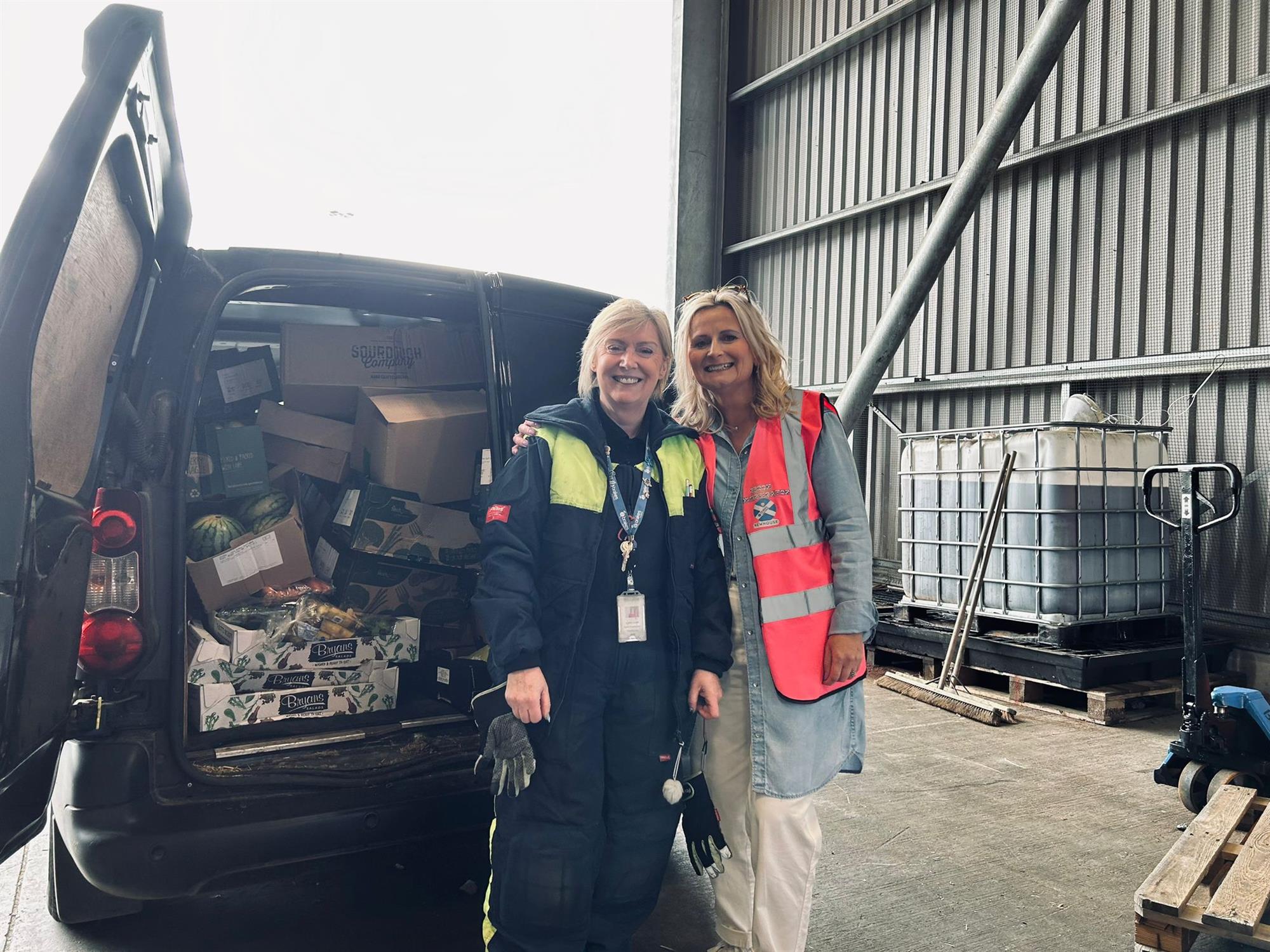
Here are all the different solutions considered for addressing the problem of food insecurity among children: Food Redistribution Programs: Partner with local grocery stores, restaurants, and food suppliers to collect surplus food and redistribute it to families in need through schools or community centres. Community Kitchens and Meal Programs: Set up community kitchens in schools or neighbourhood centres where volunteers prepare meals for children and families. This could include free or low-cost breakfast and lunch programs available year-round. Weekend and Holiday Meal Packs: Provide children with meal packs they can take home on weekends, holidays, or during school breaks when school meals are unavailable. School Gardens and Food Education: Start school or community gardens to grow fresh produce, incorporating educational programs on nutrition and gardening to promote self-sufficiency and healthy eating habits. Mobile Food Banks or Pantry Services: Operate mobile food banks to deliver groceries directly to neighbourhoods where families may have limited access to traditional food banks. Partnerships with Local Farmers: Partner with local farms to access fresh produce at reduced costs, or develop a “gleaning” program where excess farm produce can be gathered and distributed to families. Community Fundraisers and Tartan Merchandise: Following the Kilts Feed Kids model, create unique merchandise (e.g., a custom tartan or other symbolic item) to sell and raise funds for food programs, with all profits supporting meals for children. Awareness and Advocacy Campaigns: Develop public awareness campaigns that educate the community about food insecurity and encourage donations, volunteerism, and advocacy for supportive policies. Corporate Sponsorships for School Meal Programs: Seek sponsorships from local businesses to help fund and sustain school meal programs, allowing businesses to contribute while also gaining positive community visibility. Community Cooking Classes and Meal Planning Workshops: Offer free classes that teach low-cost, nutritious meal preparation and meal planning for families, empowering them to maximise their resources effectively. Vouchers or Subsidies for Groceries: Partner with grocery stores to provide families in need with vouchers or discounts on essential items, ensuring consistent access to healthy food. In-School Nutrition Support Programs: Implement programs where nutritionists or social workers support students identified as food-insecure, connecting them with resources and providing individualised support. Emergency Food Assistance Cards: Distribute prepaid food assistance cards that families can use discreetly at stores to purchase essential groceries during emergencies. Celebrity and Influencer Involvement: Engage local celebrities and social media influencers to wear or promote campaign merchandise and support awareness, leveraging their platforms to reach a wider audience. Volunteer Networks for Meal Delivery: Create a network of volunteers who can deliver hot meals to families unable to visit food distribution sites due to transportation or mobility issues. School Breakfast Programs: Implement or expand breakfast programs in schools to ensure every child starts the day with a nutritious meal, improving focus and well-being. Digital Platform for Donations and Support: Create an app or website where people can easily donate funds, food, or resources, sign up to volunteer, or find information on local food security initiatives. Monthly or Seasonal Community Events: Host regular events, like food drives, cooking competitions, or family fairs, where proceeds go toward supporting food programs and raising awareness. These solutions were brainstormed to offer a mix of immediate, practical support and long-term, sustainable changes, aiming to create a supportive system that addresses food insecurity on multiple levels.

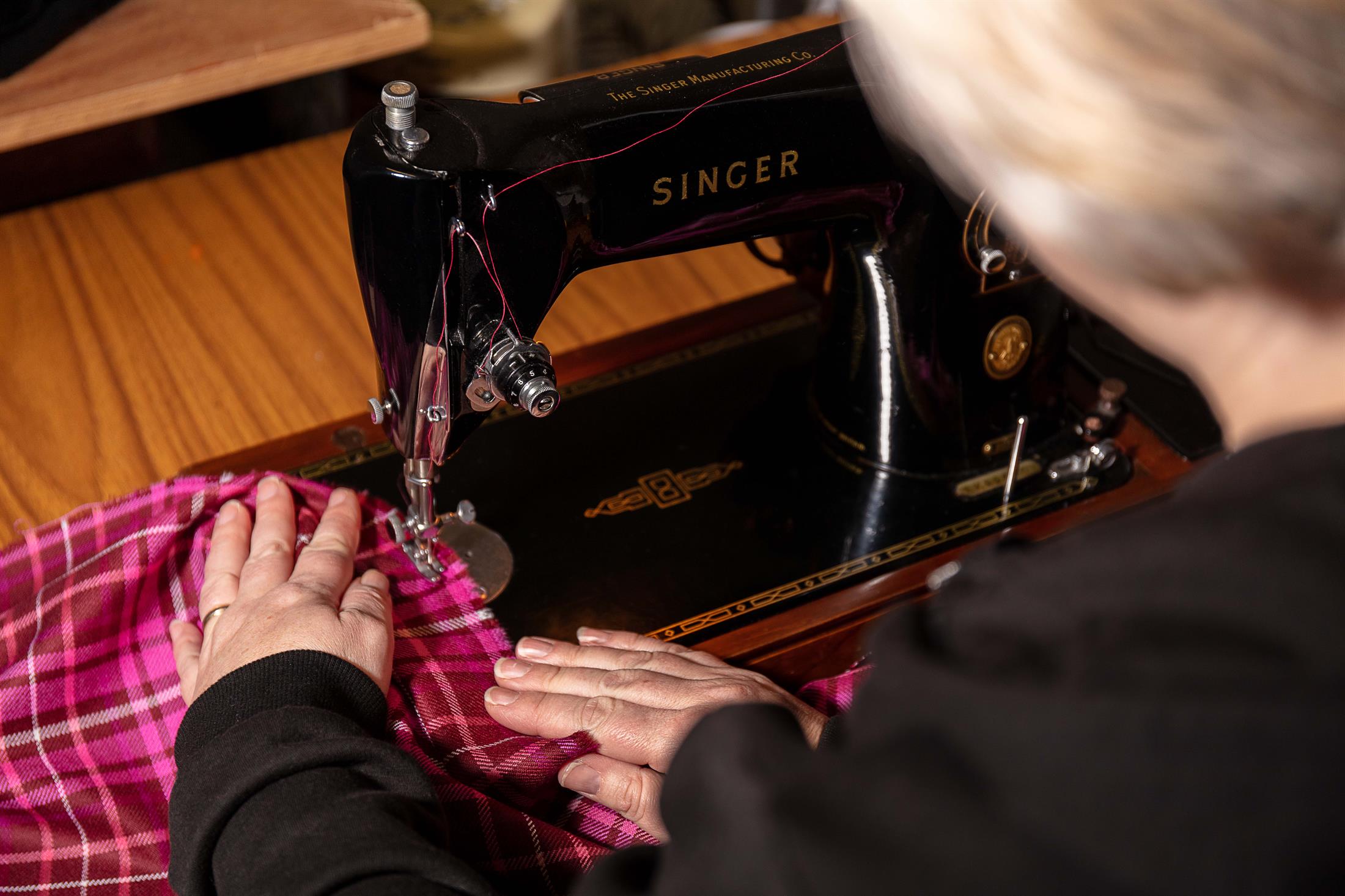
The chosen solution is Community Kitchens and Meal Programmes, integrated with the Launch Pink tartan and kilts from the Kilts Feed Kids campaign. Why This Solution Was Chosen: Direct Access to Meals: Community Kitchens will provide healthy, consistent meals to children and families throughout the year, ensuring they receive nutritious food even during weekends and holidays when school meals are unavailable. Integration of Tartan and Kilts: The use of the Launch Pink tartan and kilts can serve as a powerful branding element for the programme. Community events can feature the tartan prominently, fostering a sense of unity and pride among participants. Wearing the tartan can help raise awareness and attract attention to the cause, encouraging more community involvement and support. Community Involvement and Volunteerism: Local volunteers, including parents, teachers, and community members, can wear kilts made from the Launch Pink tartan while participating in kitchen activities. This visibility can create a sense of ownership and engagement within the community. Nutritional Education and Cooking Skills: Community Kitchens can include workshops that not only provide meals but also teach families how to prepare nutritious dishes using surplus ingredients. The unique branding of the programme with the tartan can help create a memorable identity that encourages participation. Reduced Stigma: By incorporating the Launch Pink tartan and kilts into the programme, it helps normalise the assistance provided, making it easier for families to access meals without feeling ashamed. The bright, vibrant tartan can be a symbol of hope and community support. Fundraising Opportunities: Events held at the Community Kitchen can feature the sale of tartan merchandise, such as kilts, wristbands, and other products. Proceeds can go directly towards funding the meal programme, creating a sustainable financial model. Awareness and Advocacy: By using the tartan as a focal point, the programme can leverage social media and local events to raise awareness about food insecurity, engage the community, and promote discussions around the issue. By combining the Community Kitchens and Meal Programmes with the tartan and kilts, we create a holistic approach that not only addresses food insecurity but also fosters community spirit, education, and sustainability.

Step 3DO

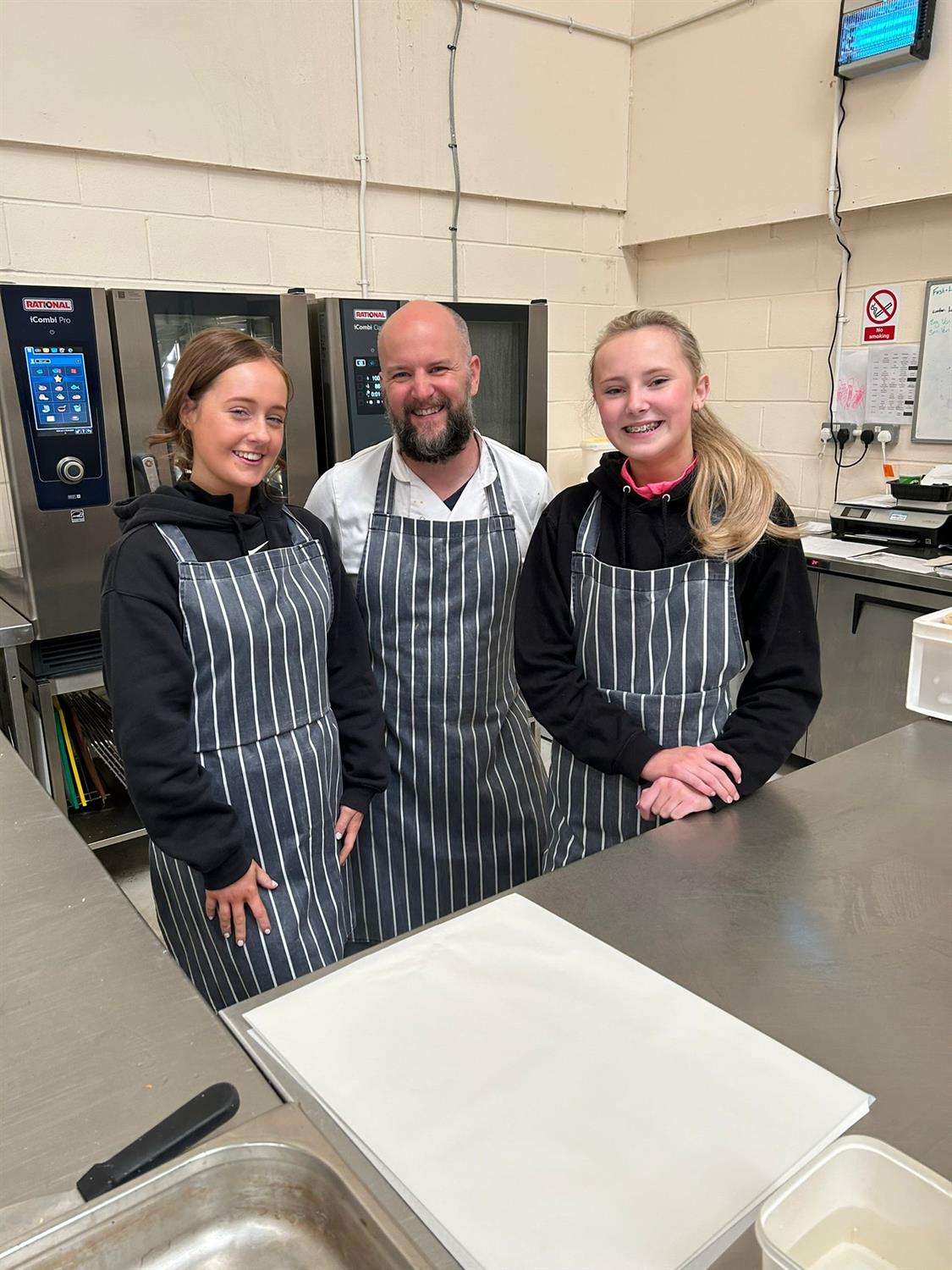
Here’s a brief overview of the process for implementing the Community Kitchens and Meal Programmes with the Launch Pink tartan and kilts: Community Assessment: Conduct a needs assessment to identify local food insecurity levels and gather support from community members, schools, and local organisations. Partnership Development: Collaborate with local stakeholders, including schools, community centres, and food suppliers, to secure resources, funding, and volunteers for the programme. Kitchen Setup: Establish a community kitchen space in a central location, equipped with necessary cooking facilities, storage, and dining areas. Tartan Branding: Design and produce merchandise featuring the Launch Pink tartan, including kilts and other items, to promote the programme and foster community identity. Recruit Volunteers: Engage local volunteers, including parents and community members, to assist with meal preparation, cooking classes, and service. Meal Planning and Preparation: Develop a menu based on available ingredients, ensuring meals are nutritious and appealing to children and families. Launch Events: Host launch events where volunteers wear the tartan, serving meals and promoting the programme to the community, raising awareness and encouraging participation. Ongoing Evaluation: Regularly assess the programme's effectiveness, gather feedback from participants, and adjust as necessary to improve services and increase reach. Fundraising and Awareness: Continuously organise events to sell tartan merchandise, engage local media, and use social media to raise awareness and funds for the initiative. This streamlined process ensures a collaborative approach, leveraging community support while directly addressing food insecurity through the Community Kitchens and Meal Programmes.

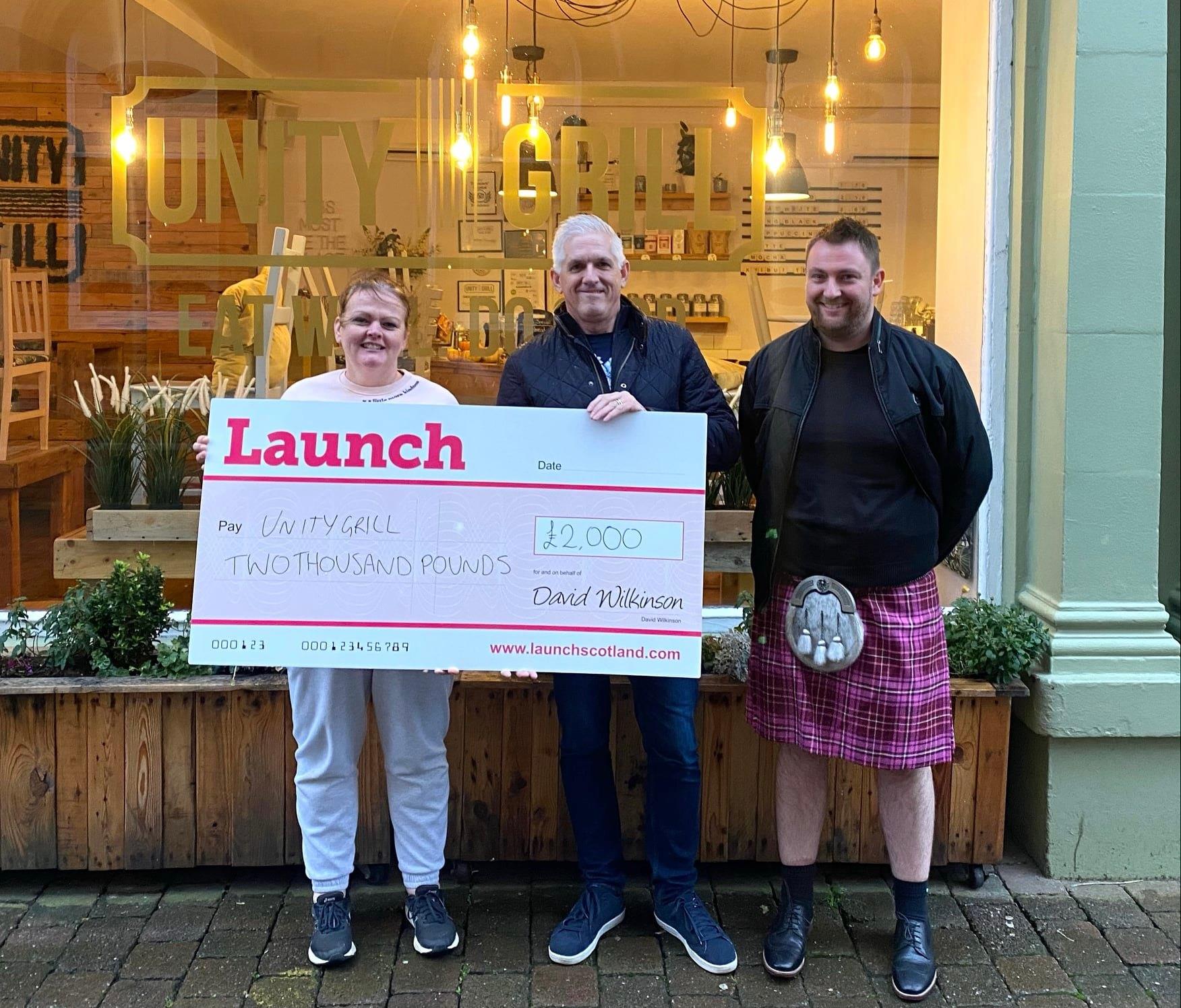
The Community Kitchens and Meal Programmes integrated with the Launch Pink tartan and kilts resulted in several significant positive impacts: Increased Access to Nutritious Meals: The programme successfully provided over 750,000 meals to children and families in need, significantly reducing food insecurity in the community. Families reported improved dietary habits and better overall health among children. Community Engagement and Support: The initiative fostered a strong sense of community involvement, with local volunteers actively participating in meal preparation and service. Wearing the Launch Pink tartan helped create a visible and unified effort, encouraging more residents to join in. Awareness Raised about Food Insecurity: The campaign effectively raised awareness about food poverty and its impact on children. The use of the tartan and kilts as a branding element sparked conversations and prompted local media coverage, bringing the issue to the forefront of community discussions. Educational Opportunities: The programme included workshops that taught families essential cooking skills and nutritional education, empowering them to make healthier choices and better utilise available food resources. Sustainable Funding: Through various fundraising efforts, the initiative raised thousands of pounds to support its activities. Sales of tartan merchandise provided ongoing financial support for the programme, ensuring its sustainability and allowing for the expansion of services, including the introduction of new meal options and community events. Positive Feedback from Participants: Families reported feeling welcomed and supported by the programme, with many expressing gratitude for the meals and the sense of community fostered through the initiative. Long-term Partnerships Established: The project led to lasting partnerships with local businesses, schools, and community organisations, paving the way for future collaborations aimed at addressing food insecurity and other related challenges. Overall, the project not only addressed immediate needs but also created a foundation for continued community support and awareness around food poverty, encouraging a collective commitment to ensuring that no child goes hungry.

40000

"I'm Ollie Duffield. I'm the debut head teacher at St Bride's Primary School in Govan Hill. Launch foods have been coming here for over four years now, every Wednesday, the children get so excited because they know at the end of the school day they're going to get a healthy and delicious bit of food. I'd like to say an enormous thanks to all the team at launch foods for the difference you make to the children and their parents in Govan health. Thank you very much." "I'm Jacqueline Daly. I'm the head teacher at St Joseph's Primary School here in Glasgow, and we've had a partnership with launch foods for about two years now. The children absolutely love going out to the truck, and the families and the local community are also benefiting from the surplus foods partnerships also supporting us to embed sustainability across the curriculum. And the children have got a very good understanding of where the food has come from and the reason behind the initiative and how it's supporting our planet. The children as well have had an opportunity to visit the launch cafe. So we're developing our young workforce. The children have been down there, and they've been finding out about all the jobs in the cafe and some of the children have even had an opportunity to take orders from the customers. So to all the team at launch foods, thank you very much from St Joseph's."

Implementing the project faced several challenges, including: Logistical Issues: Coordinating meal deliveries and managing surplus food required careful planning. This was overcome by establishing strong partnerships with local suppliers and volunteers to streamline operations. Community Engagement: Initially, some families were hesitant to participate due to stigma. This was addressed through awareness campaigns and community events that highlighted the benefits and importance of the initiative. Sustainability of Funding: Securing consistent funding was challenging. We overcame this by creating merchandise sales and hosting fundraising events to support the programme financially. By actively addressing these challenges, the project was able to thrive and positively impact the community.

MORE THAN 30 DAYS

Zero hunger

The story aligns with the following Global Goals: Goal 2: Zero Hunger - The initiative directly addresses food insecurity by providing nutritious meals to children and families, tackling hunger in the community. Goal 3: Good Health and Well-being - By ensuring access to healthy food, the project promotes better health outcomes for children, improving their physical and mental well-being. Goal 12: Responsible Consumption and Production - The campaign's focus on reducing food waste through meal programmes supports sustainable practices by redistributing surplus food. These goals reflect the project's commitment to fostering a healthier, more equitable society.

Step 4 SHARE

We shared the Kilts Feed Kids! project through newsletters, social media, and community events, targeting parents, teachers, and local organisations. We organised presentations and used the unique Launch Pink tartan as a conversation starter to engage the community. The response was overwhelmingly positive, with families expressing gratitude for the nutritious meals provided and many volunteers stepping forward to support the initiative. Local businesses also showed interest in participating, creating a strong community network dedicated to combating food poverty.

More than 100

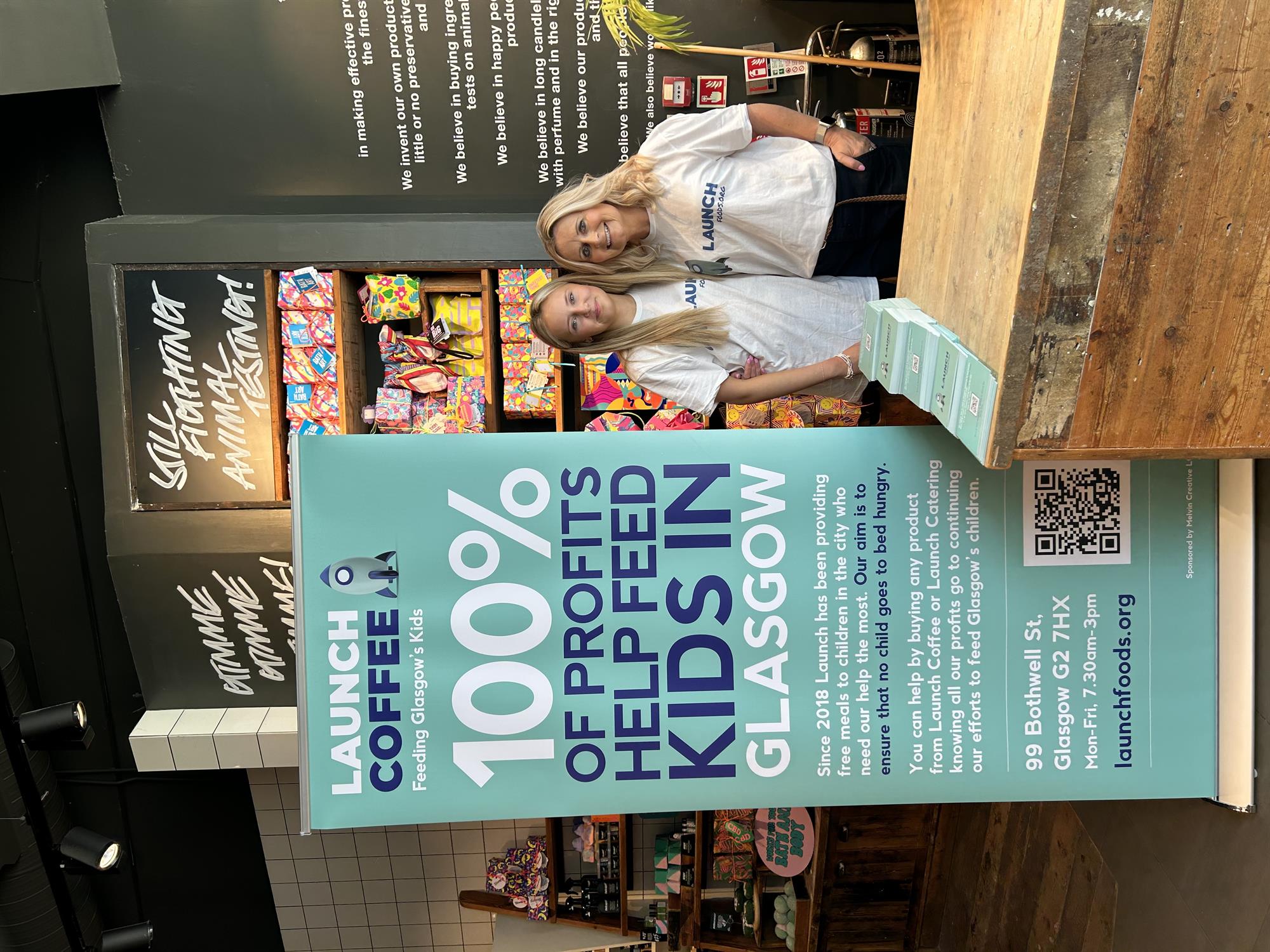
To sustain the impact of the Kilts Feed Kids! project, we plan to continue operating our two community cafés and provide office and event catering, with all profits directed towards feeding children in need. We will also engage the community through awareness events, expand our merchandise sales featuring the Launch Pink tartan, and strengthen partnerships with local organisations. These strategies will ensure ongoing support and resources for addressing food poverty in our area.