- Language
- Submit your story
- DONATE NOW
STORY PREVIEW
Squeaking up for those who can’t
Raffles Girls’ School
Singapore
MENTOR
Mrs Jassie Teo

Animal testing: Well-known companies around the world have been using animal-testing as a means to test the safety of their products for many years now. Despite the cruelty of this long-standing problem, people in Singapore lack knowledge about it. Vaping: In recent years, there has been an exponential rise in vaping cases among children and youths. Mental health: A constant yet prevalent issue among Singaporeans due to high stress lifestyles and competitive environments.
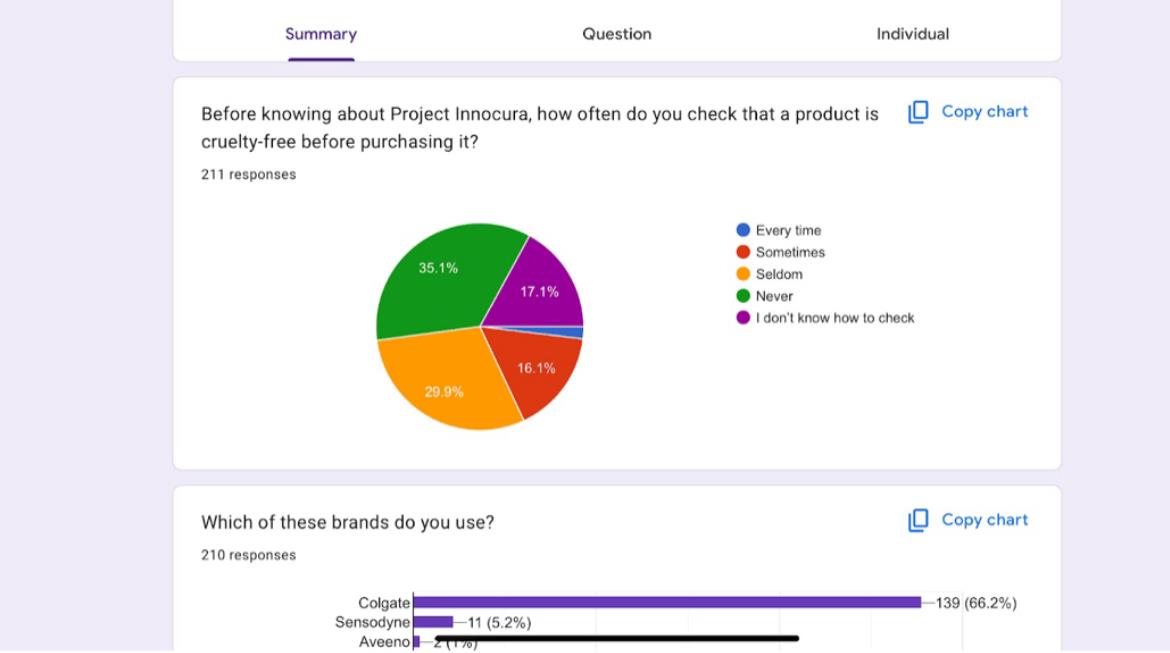
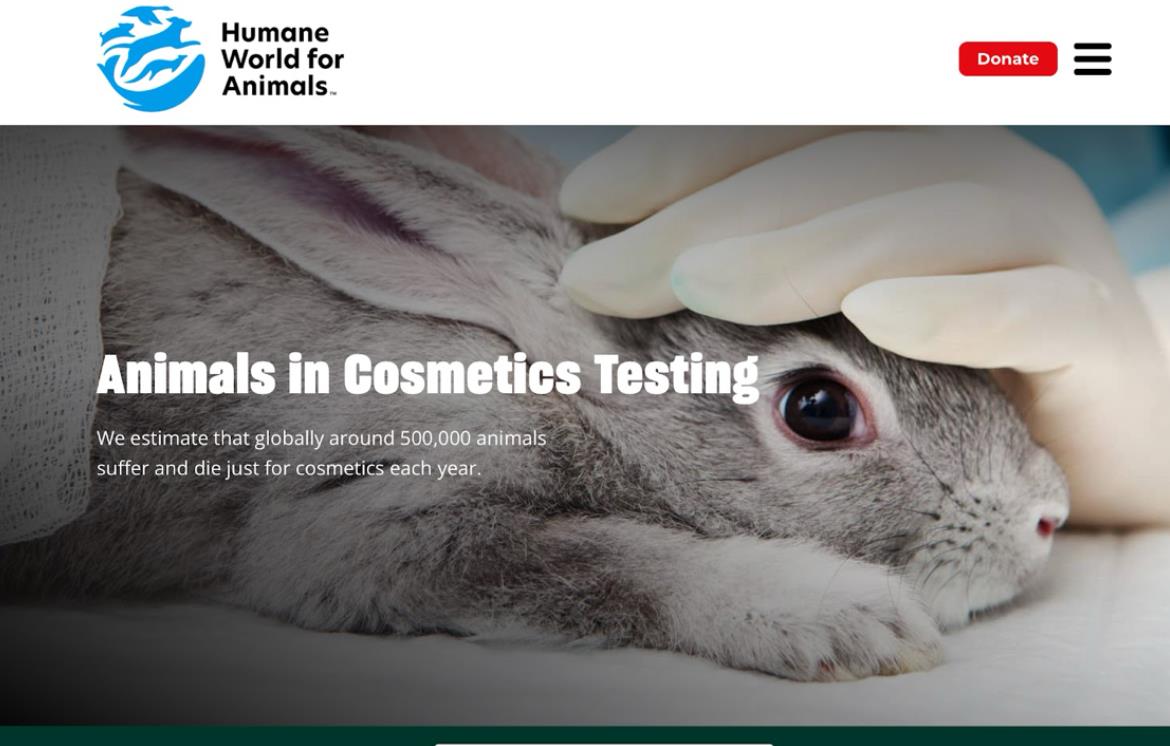
Animal testing. For decades, animal testing for toiletries (e.g. shower products, pet care, cosmetics) has been normalised, simply a means for companies to test their products. Animals in the labs undergo agonising procedures such as force-feeding and injections, hidden from the public eye. The unethical and inhumane procedures that occur in these laboratories are swept under the rug, ignored and eventually forgotten. Besides the cruelty of these animal-testing practices, the scientific validity of these tests have been debated over the years. In fact, the American Anti-Vivisection Society states 92% of drugs that appear promising in animal studies fail in human clinical trials, further proving the inadequacy and invalidity of animal testing. Since animal testing is not as reliable and unethical, then we must find a better solution. Scientists in Singapore have found a way to create human skin in a petri dish, presenting a groundbreaking advancement that could potentially replace animal testing. This is only the start of how our generation can use science for good. We can create real change, but only if we create it together. Thus, our project, Project Innocura aims to advocate against animal testing and influence the public to do so too. We are a team of 6 15 year-old students from Raffles Girls’ School (Secondary), Singapore, who are passionate in making a change in the habits of animal testing for toiletries in society. However, even as safer and more ethical alternatives emerge, consumer awareness remains alarmingly low. Our survey conducted in January 2025 revealed 81.6% of respondents purchase brands that permit animal testing. Of these, 78.2% were unaware that these companies test on animals. When asked how aware they thought Singaporeans were about animal testing on a scale of 1-5, 74.9% of respondents 1-2 (little to no awareness). We concluded a vast majority of consumers in Singapore lack awareness about animal testing and the knowledge to make informed decisions when purchasing toiletries. Our project seeks to address this gap in knowledge to purchase the cruelty-free option. We aim to equip young families in Singapore, who are major consumers of toiletries, with skills to identify and support cruelty-free alternatives. This is done through educating them on the harms of animal testing, and bringing to light the purchasing power they have to stop animal testing. As more families in Singapore support the cruelty-free cause, the market will adapt to meet consumer demands. This is in the spirit of responsible consumerism and how our dollar spent reflects our values as a society. Initiative taken to check for cruelty-free certification, change the products we use, or tune in on the latest scientific developments made to replace animal testing, demonstrates our power to advocate for change on behalf of the animals that lack vocal representation. While government enforcement on brands is not imminent, consumer power is immediate and potent.
Young families were impacted the most by this project. When we first created this project, we began our efforts to spread awareness and equip young families in Singapore with knowledge and skills to purchase cruelty-free products by influencing those closest to us first. We enacted tangible change by ensuring the toiletry products we used at home were PETA-certified by the People for the Ethical Treatment of Animals (PETA) and had the ‘leaping bunny’ logo. We shared with members of the public about the cruelty of animal testing and encouraged them to play their part by being responsible consumers and checking for the cruelty-free symbols when purchasing toiletry and cosmetic products. However, many still held multiple misconceptions about animal testing (e.g. the assumption that cruelty-free products are more costly) and were worried about its accessibility. We kept these sentiments in mind when curating our initiatives to increase effectiveness.

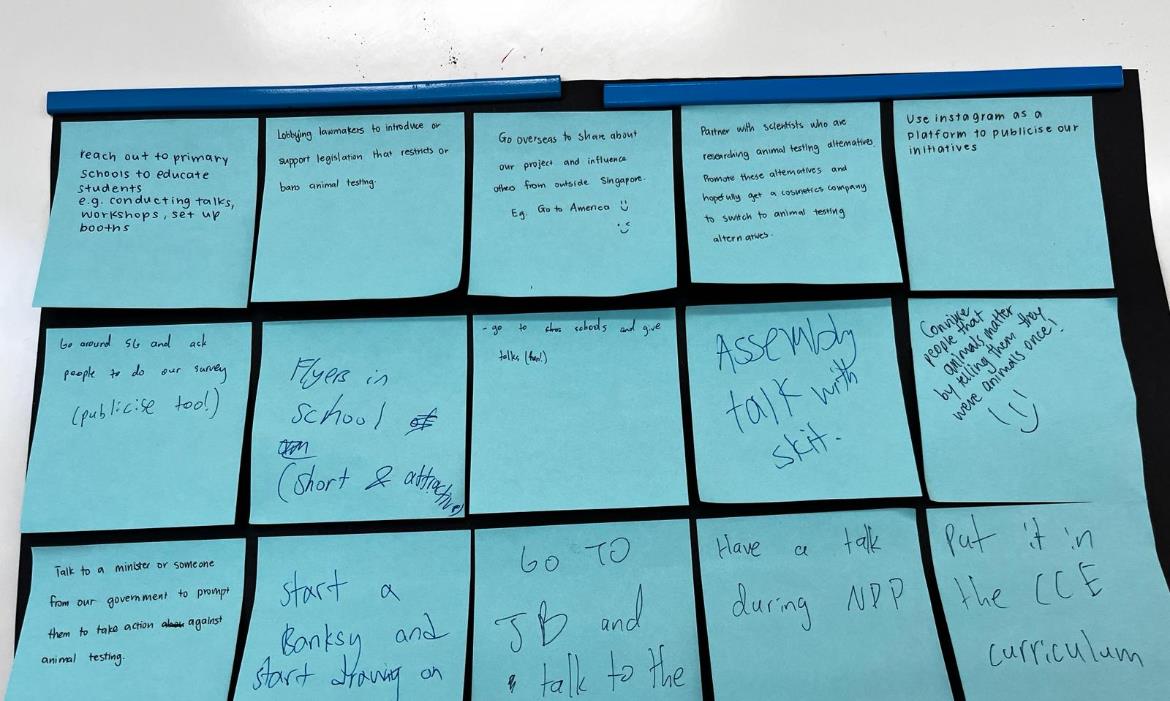
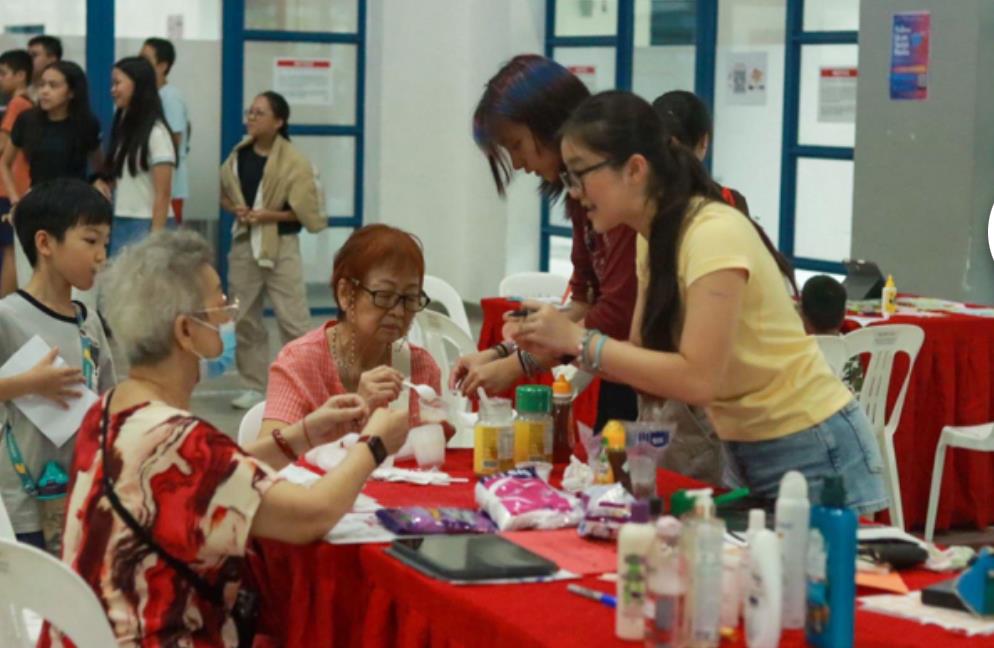
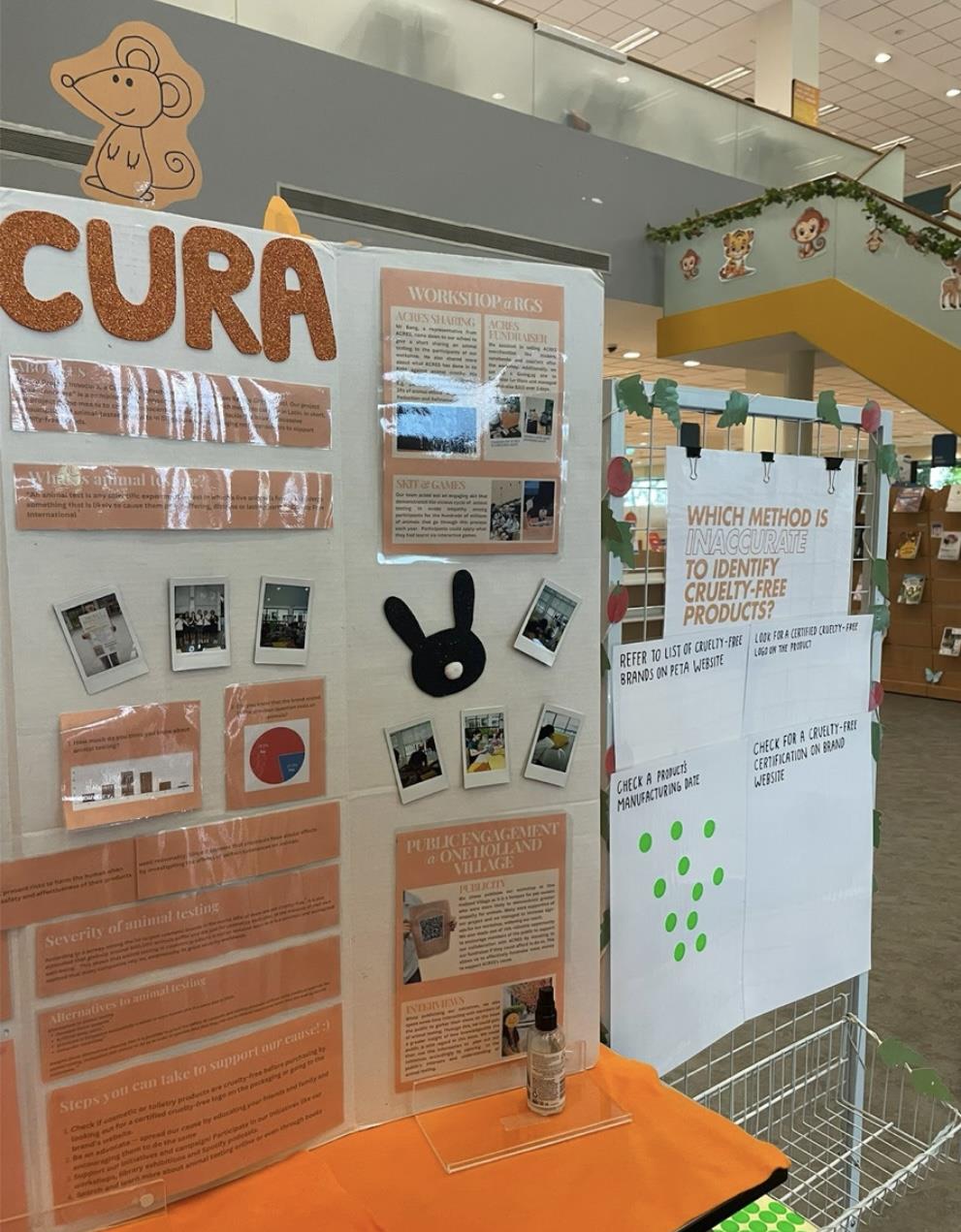
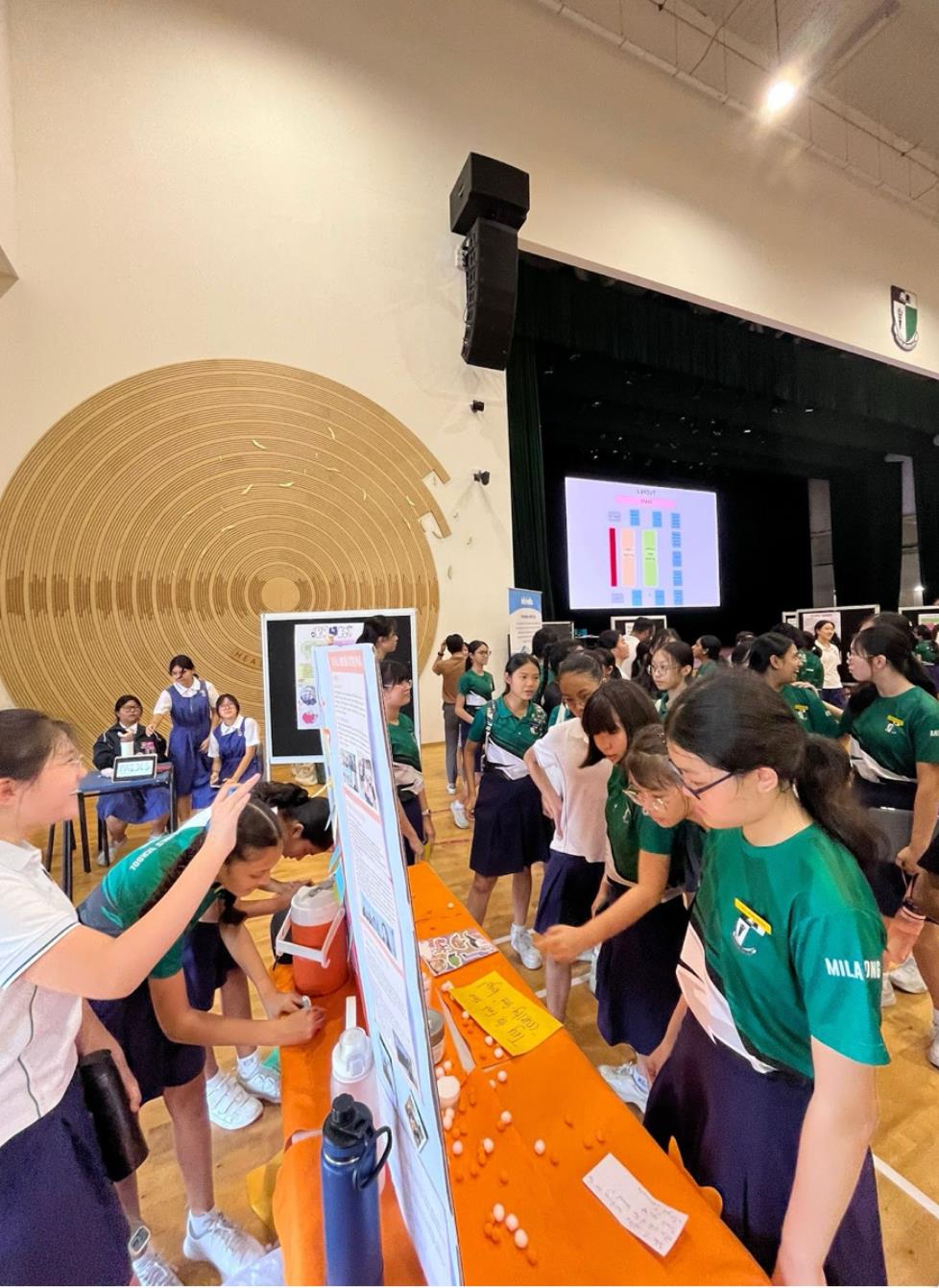
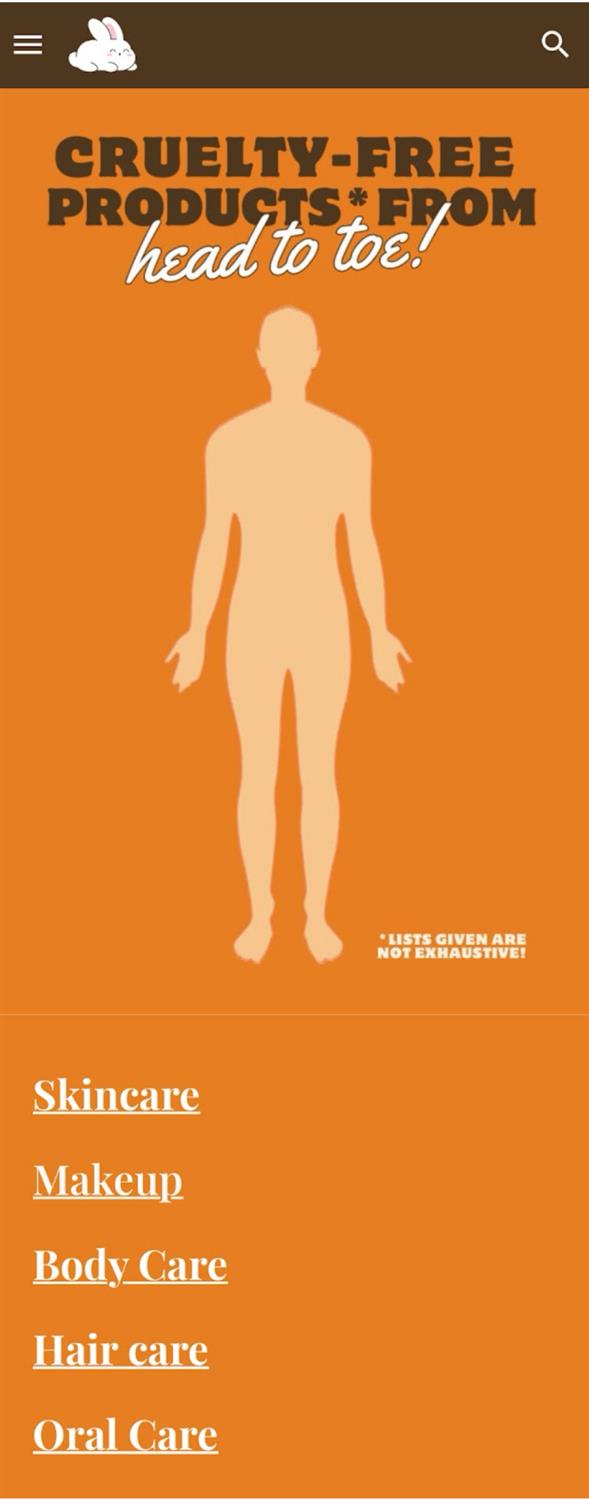
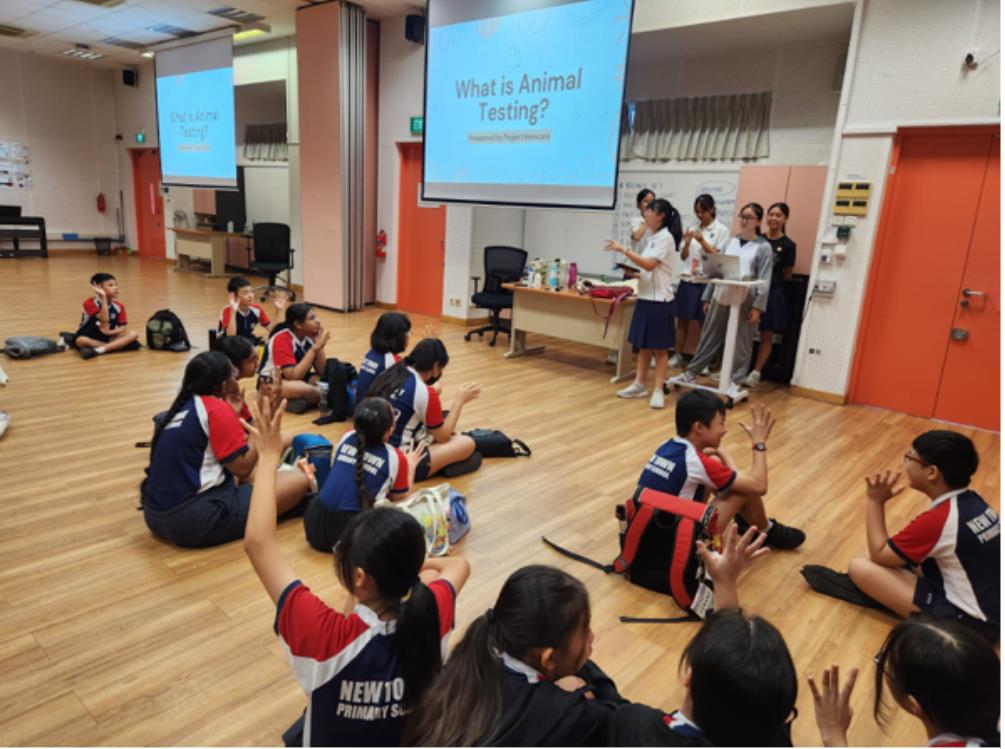
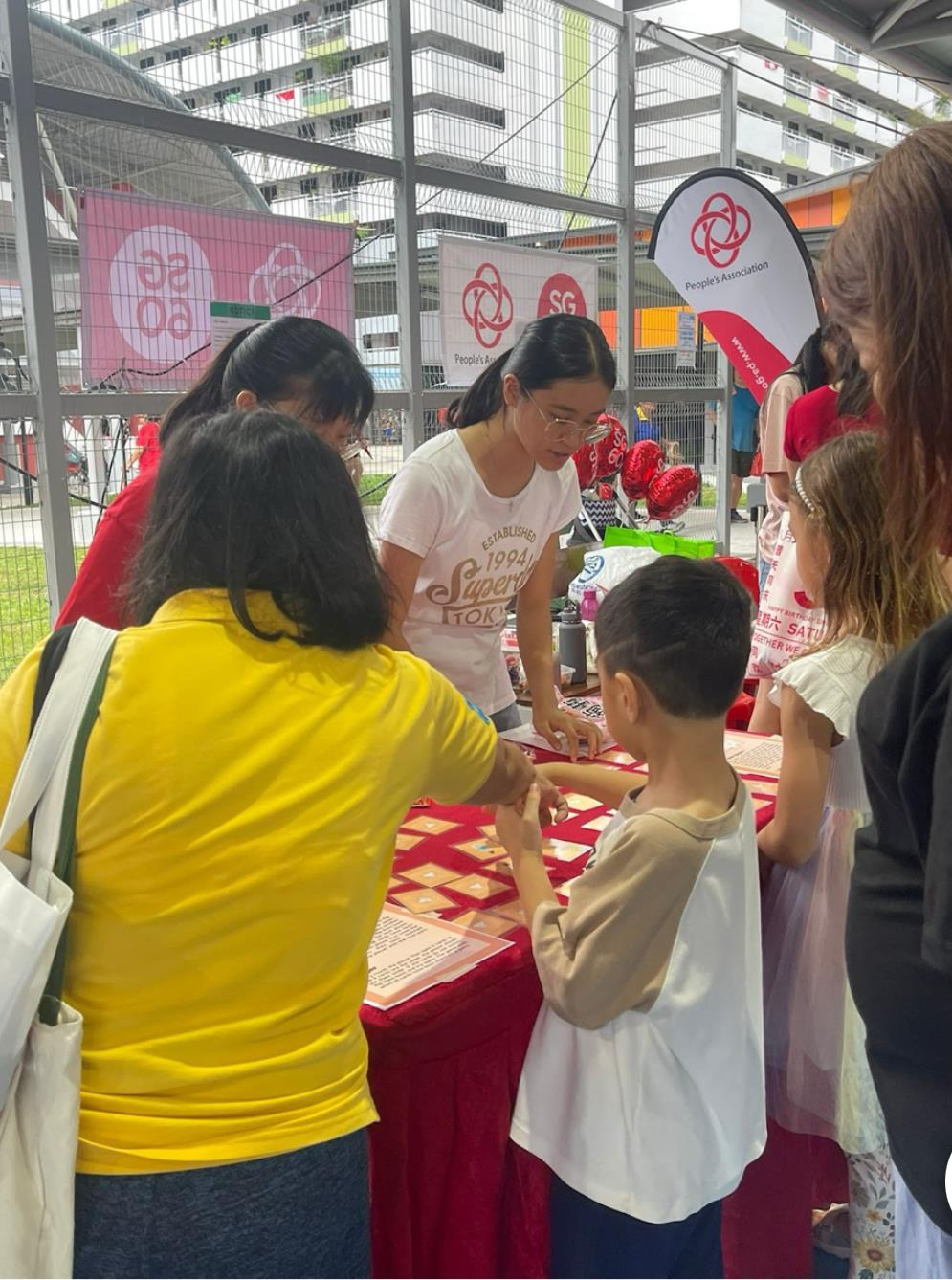
SOLUTIONS IDENTIFIED Raising Awareness 1. Interactive & Multimedia Storytelling: Using engaging mediums such as animations, telling the story of a rabbit experiencing animal testing, and a memory game (Innocura Flip) where participants pair products with cruelty-free logos. These make learning about animal testing emotionally impactful for younger audiences. Strengthening knowledge and empathy encourages individuals to change their purchasing habits to cruelty-free toiletries. 2. Community Education: Booths and workshops teach families harms of animal testing, accessible cruelty-free products, and power of consumerism to stop animal testing. At the booths, participants not only learn to recognise cruelty-free logos and practice identifying brands through hands-on activities, but also pledge their support for the cruelty-free cause. School workshops provide hands-on educational experiences and are tailored to introduce the topic in an age-appropriate way. Through skits and a scavenger hunt, we spark students’ interest, fostering early awareness and empowering them to make compassionate choices. 3. Digital Outreach: Utilize social media and podcasts to bring conversations on animal testing into the digital space. Short-form content offers a lively and accessible way to spark interest on ethical issues. Complementing this, our podcasts present facts and personal stories in greater depth, allowing audiences to engage with the topic meaningfully and effortlessly . Enhancing Accessibility 4. Centralized Resources for Informed Choices: Develop a comprehensive website that offers concise information about animal testing and cohesive lists of cruelty-free brands available in drugstores. By consolidating these resources on one accessible platform, individuals are empowered to make informed, compassionate purchasing decisions. Our memory game further helps users reinforce their learning to recognize cruelty-free products. 5. Community Engagement: Interactive workshops at schools and community centres, featuring hands-on DIY activities like making sugar scrubs, directly addresses families’ lack of awareness and practical knowledge about cruelty-free alternatives. Step-by-step guidance not only equips them with a replicable, cost-effective and accessible recipe that every family member can take part in, but also demonstrates that cruelty-free living is achievable.
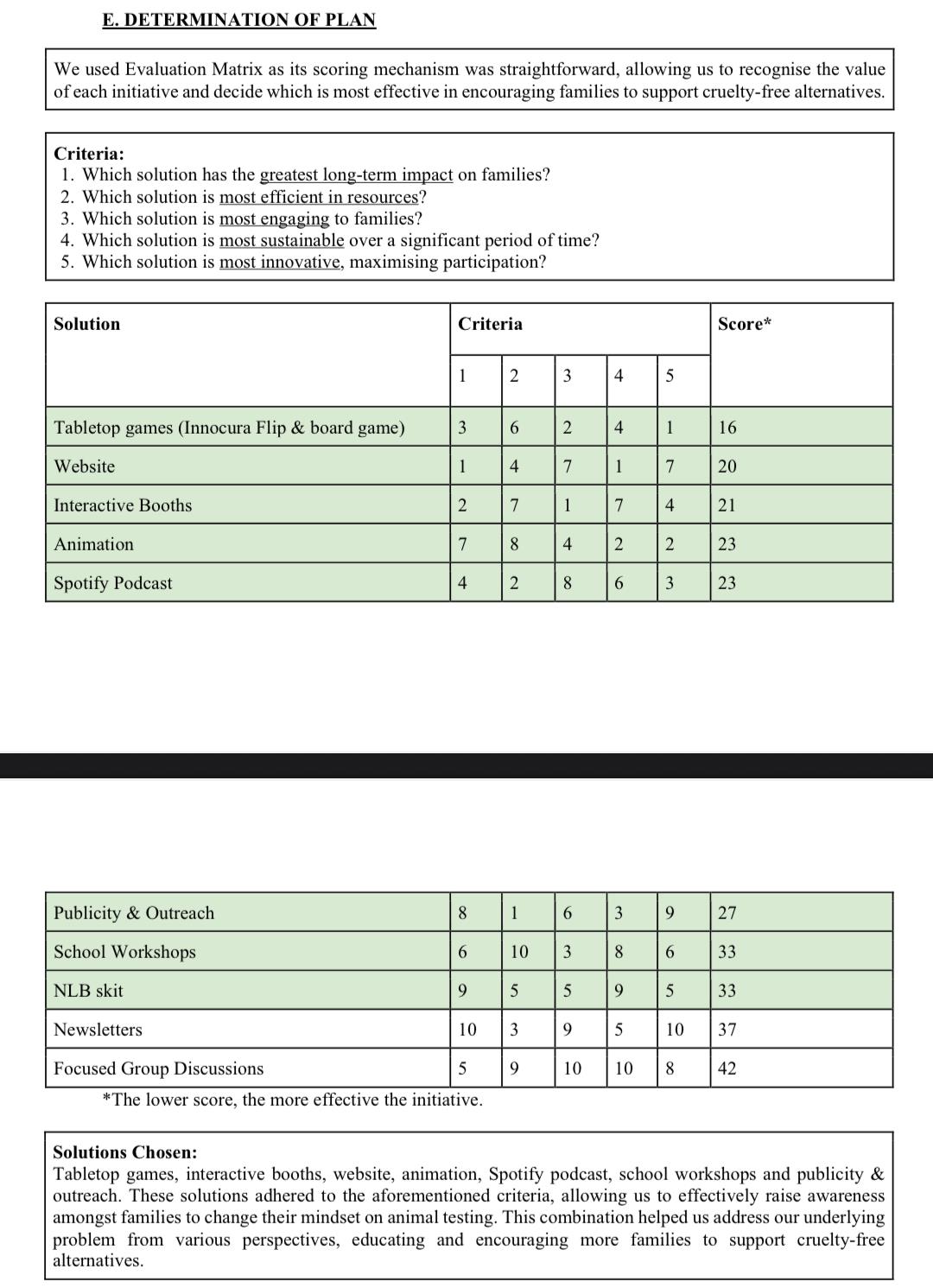
We made use of the evaluation matrix to choose our solutions as its scoring mechanism was straightforward, allowing us to recognise the value of each initiative and decide which is most effective in encouraging families to support cruelty-free alternatives. Solutions Chosen: Tabletop games, interactive booths, website, animation, Spotify podcast, school workshops and publicity & outreach. These solutions adhered to the aforementioned criteria, allowing us to effectively raise awareness amongst families to change their mindset on animal testing. This combination helped us address our underlying problem from various perspectives, educating and encouraging more families to support cruelty-free alternatives.

First, we kicked off our initiatives with a pre-initiative survey to get a deeper understanding of the public’s awareness of animal testing for toiletries. With this information, we then reached out to relevant stakeholders (e.g. Toa Payoh CC, NLB, ACRES) that would be able to provide us with greater credibility and a wider reach when implementing our solutions. Each team member would be delegated to a particular role with regard to the initiative based on their strengths and we would work together to obtain the necessary logistics as well as conduct dry runs (if needed) for the initiative to ensure maximum impact of the public. During this process, we would also regularly check in with our teacher mentor and seek advice from her when required. Following every event, we sent out feedback forms to find out if our target audience had benefitted from the initiative and had learnt more about animal testing. We also made use of feedback given to improve on and refine our next solution.
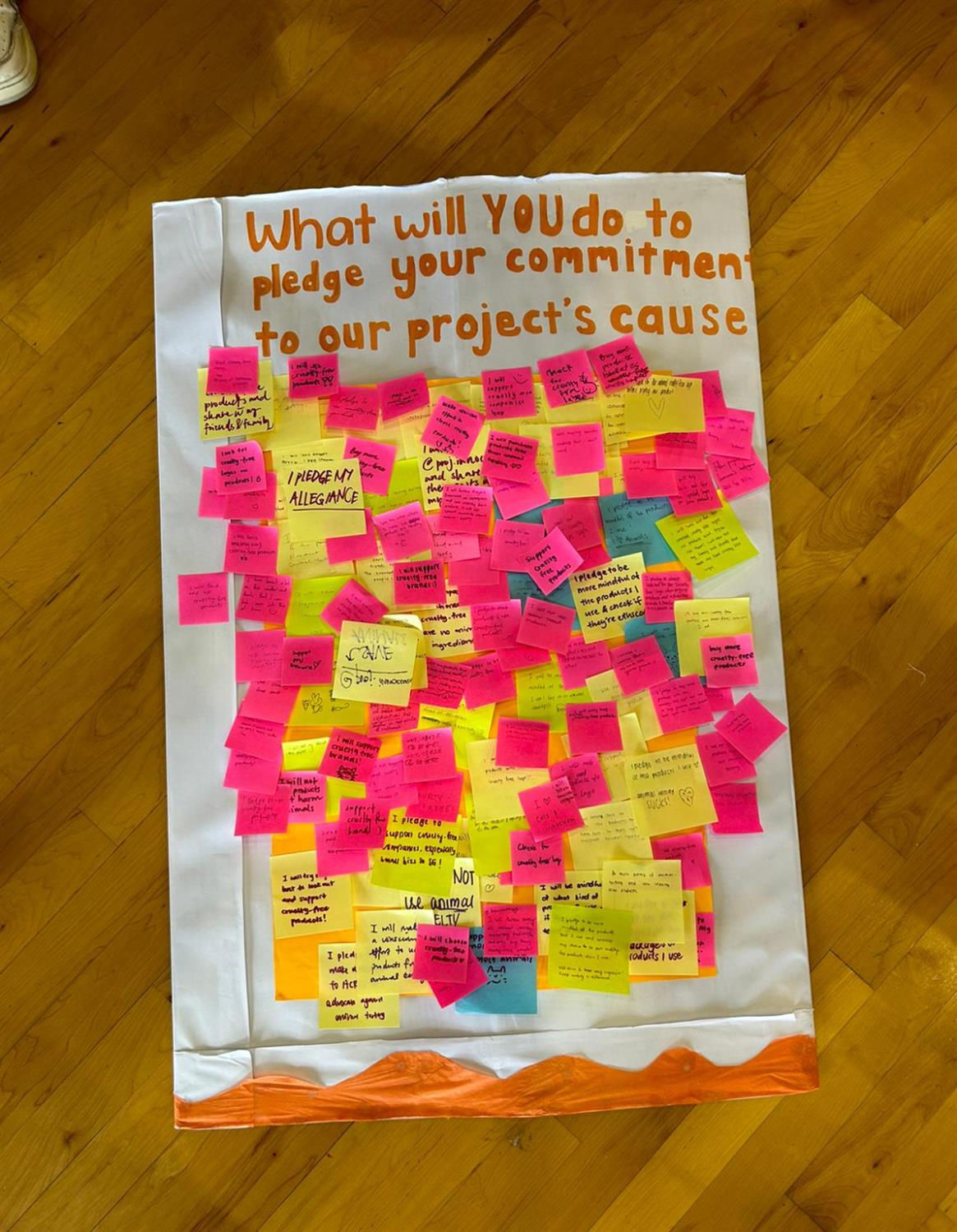
School workshops: around 80% of respondents learnt how to identify cruelty free products and the importance of saying “no” to animal testing after participating in our workshops DIY workshops and Innocura Flip booths: In total, we reached over 1000 families, effectively imparting knowledge on animal testing to them Spotify Podcast Innocura Insights: Average 5 star reviews School and NLB booths: 128 pledges by members of the public to live a more cruelty-free lifestyle ACRES fundraiser and merchandise sales in 2024: raised a total of $357, exceeding our goal of $250
1300
Carrie, 42, a mother of two children, says: “After attending Project Innocura’s workshop, I have switched to only buying shampoo and conditioner with the PETA logo.” Lucas, 12, a child who participated in Project Innocura’s community engagement booths, says: “Project Innocura’s card game, Innocura Flip, made me realise there are so many cruelty-free options!”
One of our most significant challenges was securing suitable venues for our booths. At first, it was extremely difficult to find a library willing to host our interactive setup, and several early enquiries went unanswered. Through persistent communication and careful follow-ups, we finally secured a partnership with Ang Mo Kio Public Library, which allowed us to reach a wider audience. We also faced a critical setback with the production of our game cards. Because communication with the vendor started late, our professionally manufactured cards could not be delivered on time. With the event just days away, we quickly sourced a nearby printing shop, redesigned the cards for faster printing, and managed to produce a high-quality set in time for the booth. Another ongoing challenge was coordinating with our student animators. Delayed responses and inconsistent art styles slowed progress and created frustration on both sides. Instead of giving up, we held onto the draft, refined feedback processes, and began searching for more reliable collaborators. These experiences taught us persistence, quick problem-solving, and the importance of adaptability under pressure.
MORE THAN 30 DAYS
Responsible consumption and production
Our story aligns with the global goal: Responsible Consumption and Production because our project focuses on transforming consumer habits to reduce the demand for products tested on animals. Through Project Innocura, we educate families and young people to identify cruelty-free brands, make informed purchasing decisions, and use their spending power to influence the market, directly promoting responsible consumption. Our aim of encouraging sustainable lifestyles and ethical production practices ties in perfectly with this goal. By running workshops, community booths, and digital outreach, we empower consumers to choose cruelty-free toiletries, creating a ripple effect that pressures companies to adopt ethical, cruelty-free production methods. At the same time, we promote safer scientific alternatives, such as human-skin testing, which supports innovation in sustainable production.

We shared our project by actively using social media platforms, creating engaging reels and posts that helped us reach a wider online audience beyond just our immediate circle. Additionally, we took part in community events, which gave us the opportunity to connect directly with local community members and raise awareness about our cause. We shared our project with our school peers, family, and members of the broader community. The response was overwhelmingly positive, many people were initially unaware of the extent of animal testing in everyday products and were surprised to learn how deeply this issue was connected to their daily lives. Their reactions were filled with genuine curiosity and interest, as they began to reflect on their own purchasing habits. For example, we taught people how to recognize the Leaping Bunny logo certified by PETA, which is a trusted indicator of cruelty-free products. Many were genuinely curious and showed real interest in applying this knowledge to their daily routines, whether it was while shopping for cosmetics, household items, or personal care products. It was encouraging to see the community becoming more mindful and motivated to choose ethical alternatives.
More than 100
To ensure the lasting impact of our project, we plan to create tangible, accessible tools that allow the public to continue learning about animal testing and make informed choices. One of our key initiatives is a dedicated website, which features curated lists of cruelty-free brands available in local drugstores, as well as clear, easy-to-understand information about animal testing—what it is, why it matters, and how to recognize cruelty-free products. This platform is designed to support individuals who are beginning their journey toward a cruelty-free lifestyle by giving them quick and reliable access to the resources they need. In addition, we developed a card game called Innocura Flip—a memory-based game where players match cruelty-free logos with the products they appear on. This encourages users to apply their knowledge in a fun and engaging way, reinforcing their ability to recognize certified cruelty-free products. The game is also suitable for young children, helping to introduce the concept of ethical consumerism at an early age through play-based learning. By combining educational tools with interactive and age-appropriate resources, we hope to keep the conversation going and inspire long-term change in both awareness and consumer behavior.