- Language
- Submit your story
- DONATE NOW
STORY PREVIEW
Clean Classrooms, Bright Futures: Empowering Students Through Leadership and Awards
ZPHS Hydershakote
Telangana
MENTOR
Madan Kumar

1. Lack of Awareness 2. Water Scarcity 3. Noise Pollution 4. Crime and Safety Issues: 5. Cleanliness in the school
Chose cleanliness in the school. Clean classrooms are essential for fostering a healthy, productive, and positive learning environment. A cluttered or dirty classroom not only hampers students' ability to focus but can also spread illnesses, leading to absenteeism and reduced academic performance. By choosing to prioritize cleanliness, schools create an atmosphere that promotes discipline, responsibility, and pride among students. Cleanliness is directly linked to better health. Dust, waste, and unhygienic conditions can harbor germs, increasing the risk of diseases. A clean classroom ensures students are less likely to fall sick, enabling them to attend school regularly and perform better academically. Additionally, a tidy and organized space reduces distractions, enhancing students' concentration and engagement in lessons. Promoting cleanliness also instills life-long habits of hygiene and organization in students. When children actively participate in keeping their classrooms clean, they develop a sense of responsibility and ownership. Initiatives like cleanliness awards can motivate students to maintain this habit consistently. Overall, clean classrooms create a welcoming and inspiring environment where both students and teachers feel comfortable and valued. Choosing to focus on cleanliness reflects a commitment to students' health, well-being, and success, making it a priority for schools seeking to build a brighter future.
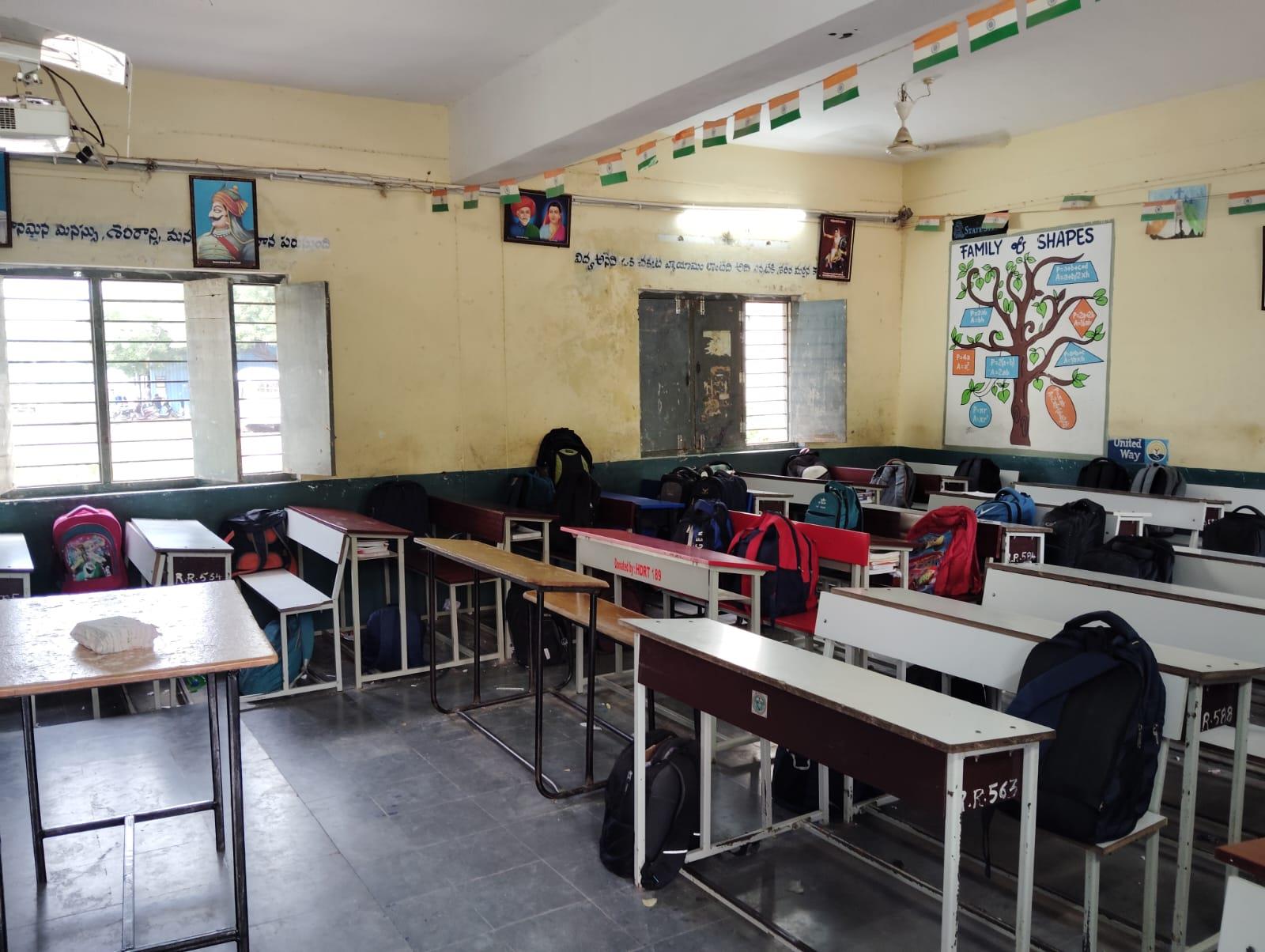
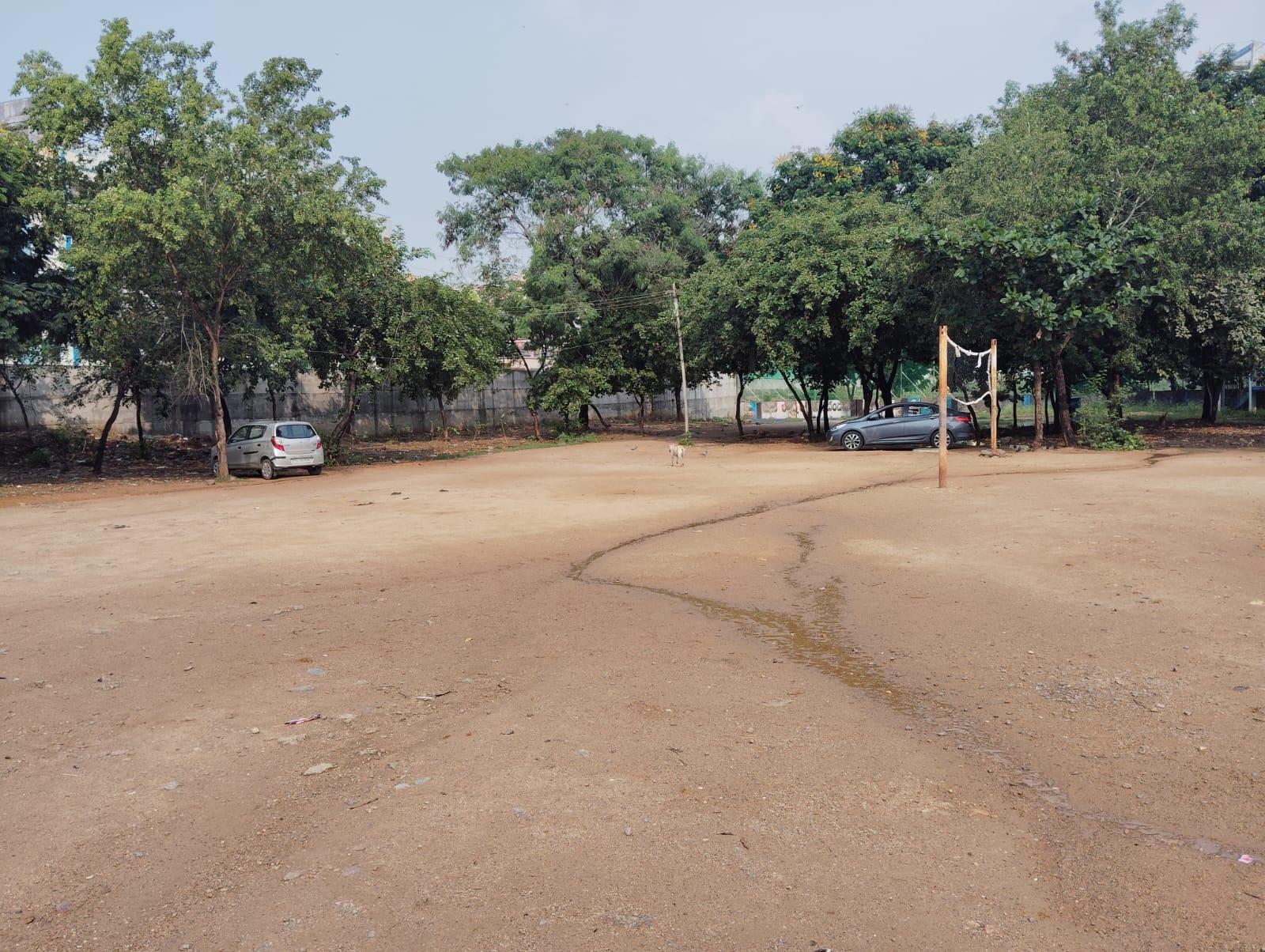
1. Students: Unhygienic conditions caused health issues like allergies and illnesses. A dirty environment distracted them from focusing on studies, leading to poor academic performance. It also made them feel demotivated and uncomfortable in their learning space. 2. Teachers: Teachers struggled to maintain discipline in messy classrooms. A cluttered environment affected their ability to teach effectively and created additional stress. It also reflected poorly on their efforts to foster a conducive learning atmosphere. 3. School Administration: The absence of janitors or maintenance staff led to an unmanaged accumulation of waste. The administration faced complaints from parents and stakeholders about poor hygiene standards, impacting the school's reputation. 4. Parents: Parents were worried about their children's health and the risk of diseases due to unclean classrooms. They were also concerned about the negative impact on their children’s behavior and discipline. 5. Community Members: An unclean school environment projected negligence, discouraging community involvement and support for the school. The problem affected the school’s health, learning outcomes, discipline, and reputation, highlighting the urgent need for a solution.

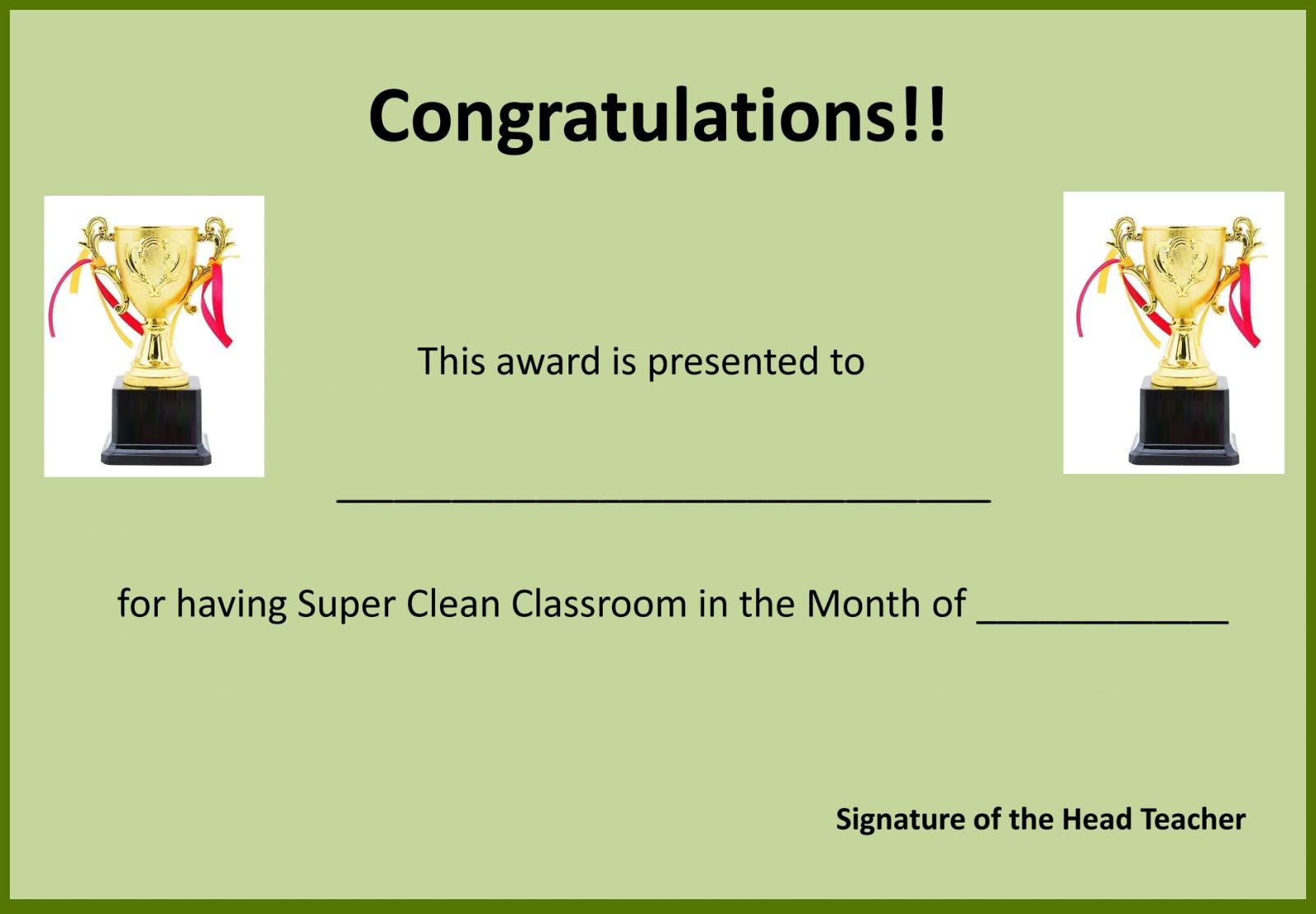
1. Student-Led Initiatives: Forming an Eco Club to promote cleanliness and hygiene. Creating a rotation system where students take turns maintaining cleanliness in classrooms and common areas. Organizing cleanliness drives involving all students. 2. Incentives and Rewards: Introducing the "Super Clean Classroom Award" for the class that maintains the best cleanliness each month. Providing certificates or small prizes to class which maintain cleanly. 3. Education and Awareness Campaigns: Conducting workshops on the importance of cleanliness and its link to health and well-being. Organizing skits, posters, and slogans on cleanliness to encourage responsibility. 4. Infrastructure Improvement: Installing sufficient dustbins in classrooms, corridors, and common areas. Placing informative signs and posters about proper waste disposal. 5.Accountability System: Appointing classroom cleanliness monitors to oversee daily maintenance. Maintaining a cleanliness scorecard for each class. 6. Community Engagement: Involving local authorities or volunteers in creating awareness about hygiene. Partnering with nearby organizations for waste management or recycling initiatives.
1. Empowering Students: By forming an Eco Club, we empowered students to take ownership of the problem and actively participate in the solution. This fostered a sense of responsibility and leadership. 2. Encouragement through Incentives: The "Super Clean Classroom Award" introduced a fun and competitive element, motivating students to maintain cleanliness consistently. Rewards served as positive reinforcement for good behavior. 3. Long-Term Behavioral Changes: Involving students directly in cleanliness activities helped instill lifelong habits of hygiene, discipline, and teamwork. 4. Cost-Effective and Sustainable: This solution relied on student participation rather than hiring external staff, making it feasible for schools with limited resources. 5. Educational Opportunity: The Eco Club created a platform to educate students about the importance of cleanliness, waste management, and its impact on health and the environment. 5. Community Impact:A clean and organized school environment improved the morale of teachers and students and enhanced the school’s reputation, encouraging community involvement.

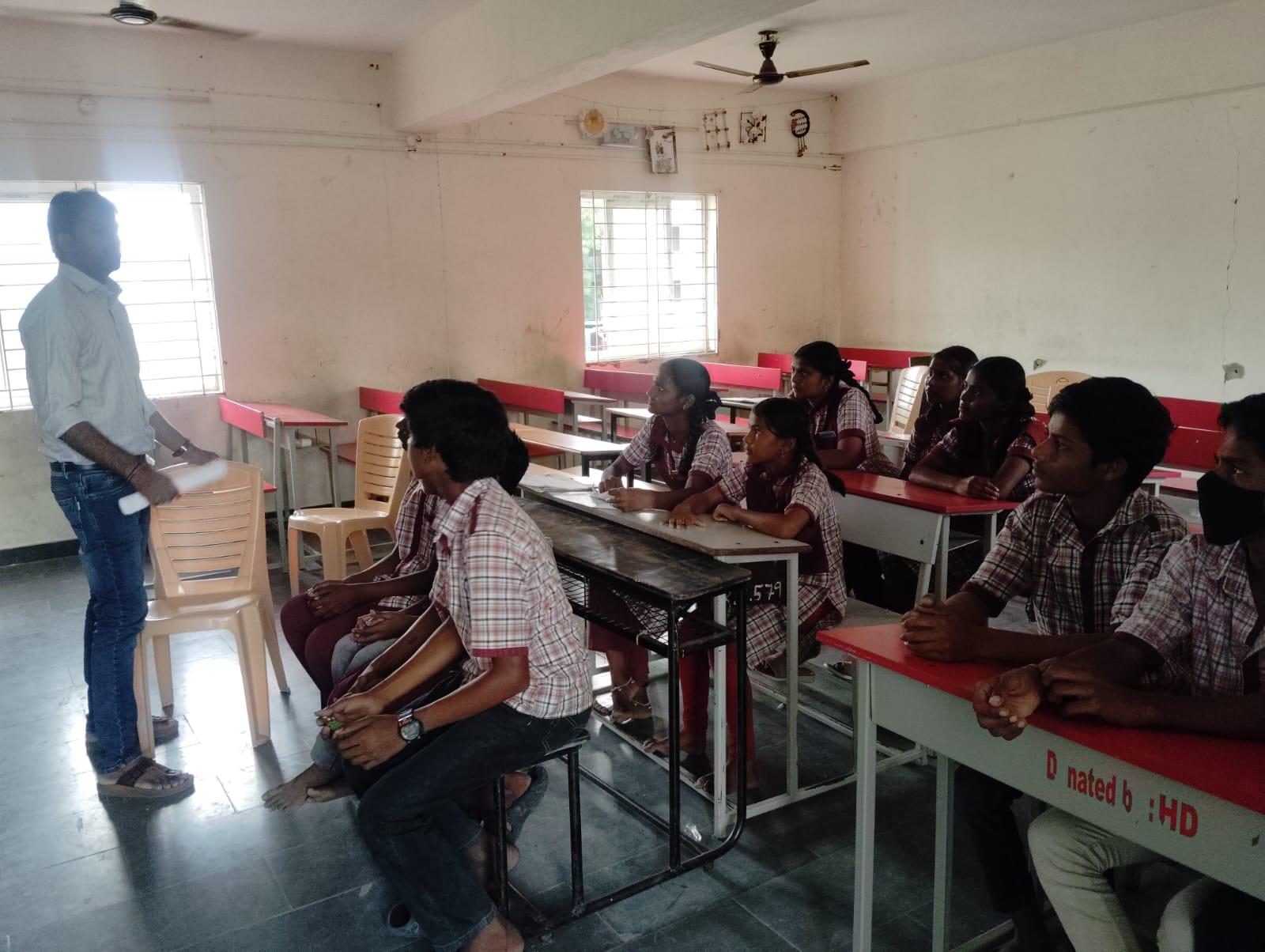
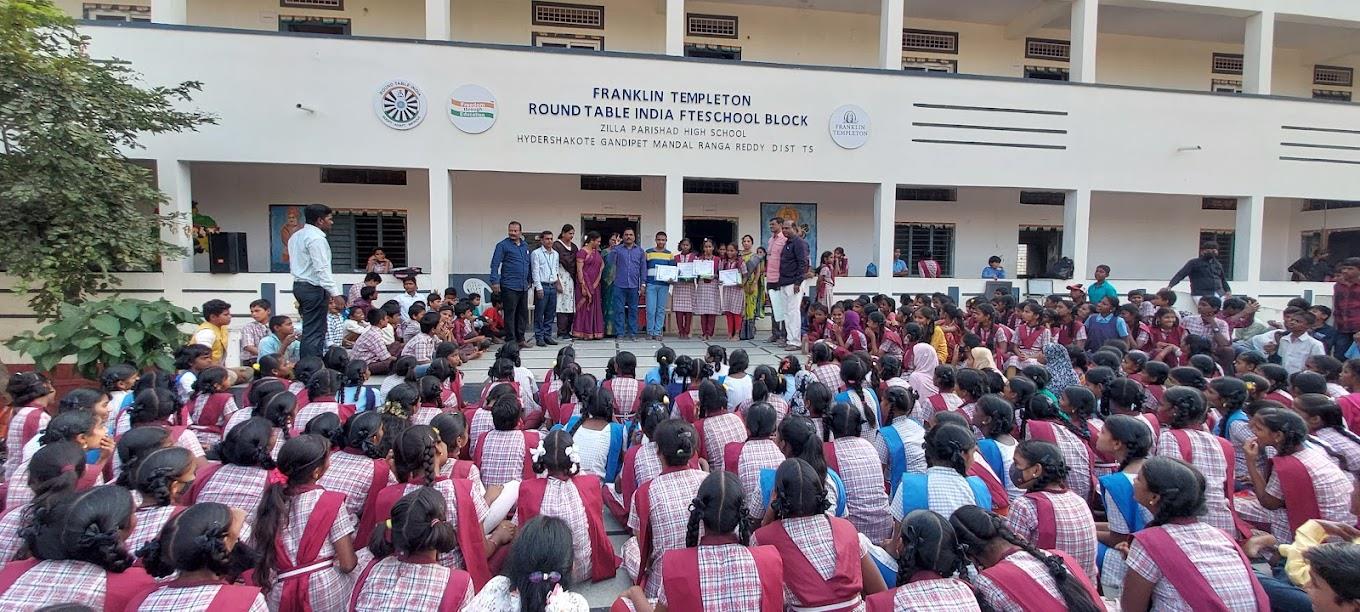
1. Formation of the Eco Club: Selected a group of enthusiastic students and assigned roles to promote cleanliness and oversee activities. 2. Awareness Campaign: Conducted workshops and created posters to educate students about the importance of cleanliness and its benefits. 3. Setup and Organization: Placed dustbins in classrooms and common areas. Assigned daily cleaning responsibilities to students on a rotation basis. 4. Introduction of Awards: Launched the "Super Clean Classroom Award" and announced evaluation criteria, including cleanliness, waste management, and organization. 5. Monitoring and Scoring: Teachers and Eco Club members inspected classrooms weekly to assess cleanliness and maintain scorecards. 6. Recognition and Rewards: Announced monthly winners in school assemblies and awarded certificates. Feedback and Improvement:
1. Improved Cleanliness: Classrooms and common areas became significantly cleaner and more organized. Waste disposal practices improved with proper use of dustbins. 2. Healthier Environment:Reduced instances of illnesses among students due to better hygiene, leading to higher attendance rates. 3. Positive Behavioral Changes: Students developed a sense of responsibility, teamwork, and discipline as they actively participated in maintaining cleanliness. 4. Increased Motivation: The "Super Clean Classroom Award" created excitement and healthy competition among students, encouraging consistent efforts to keep their surroundings tidy. 5. Enhanced Learning Atmosphere: A cleaner environment fostered better concentration and engagement during lessons, improving overall academic performance. 6. Boosted School Reputation: The initiative projected a positive image of the school, gaining appreciation from parents and the community. 7. Sustainability: The habits and practices instilled through the project continued, ensuring long-term cleanliness and hygiene in the school. This project demonstrated how student-led initiatives can bring transformative changes, benefiting everyone in the school community.
600
Being a part of the Eco Club and seeing our classroom become the cleanest in school made me feel proud. It’s not just about the award; it’s about taking care of our school and our health. We’ve learned so much about teamwork and responsibility. Eshwari, Eco club president. The cleanliness initiative has brought a noticeable change in our students' behavior. They now take pride in their classrooms and work together to maintain a tidy space. It has created a positive learning environment where everyone feels comfortable and motivated to do their best. Madan Kumar, Teacher
1. Lack of Initial Student Motivation: Challenge: Some students were initially uninterested in maintaining cleanliness and did not take the project seriously. Solution: To overcome this, we introduced the "Super Clean Classroom Award" to add a competitive element. We also organized awareness campaigns, emphasizing the health benefits of cleanliness and how it impacted their daily lives. Gradually, students became more engaged. 2. Inconsistent Participation: Challenge: Not all students participated consistently in the cleaning tasks. Some felt that it was too much work. Solution: We implemented a rotation system, ensuring that every student took responsibility for cleaning on different days. By sharing the workload, students felt less burdened, and participation became more balanced. 3. Limited Resources: Challenge: There was a lack of sufficient cleaning supplies and waste disposal infrastructure in some areas. Solution: We addressed this by involving parents and local community members to contribute cleaning materials and additional dustbins. We also recycled old materials creatively to make cleaning tools, such as using empty bottles as dusters. 4. Resistance to Change in Behavior: Challenge: Changing long-standing habits of littering and disorganization among students proved difficult. Solution: We tackled this through continuous reinforcement—reminding students of the benefits of a clean environment, rewarding good behavior, and leading by example. Over time, the habit of maintaining cleanliness became more ingrained.
15-30 Days
Good health and well being
1. Goal 3: Good Health and Well-Being Impact: By promoting cleanliness and hygiene in the classroom, the project contributed to a healthier environment, reducing the spread of diseases and improving students' overall health and well-being. The initiative helped create a space conducive to learning, which is essential for mental and physical health. 2. Goal 4: Quality Education Impact: A cleaner and more organized learning environment allowed students to focus better, enhancing their learning experience. The project also emphasized life skills such as responsibility, teamwork, and hygiene, which are critical components of quality education beyond academics. 3. Goal 11: Sustainable Cities and Communities Impact: The project promoted sustainability within the school by encouraging waste management and cleanliness. This initiative helped foster a sense of responsibility towards the environment, encouraging students to adopt sustainable practices that they can carry into their communities.

1. School Sharing: a) The project was introduced through school assemblies, where the Eco Club members presented the initiative to both students and staff. The teachers and principal actively participated in discussions about the importance of cleanliness and how the "Super Clean Classroom Award" would work. b) Classroom Posters and Notices: Posters promoting cleanliness and the benefits of the project were placed in classrooms, corridors, and notice boards to raise awareness. These included tips on how to maintain a clean environment and information about the award system. 2. Community Sharing: a) Parent-Teacher Meetings: Parents were introduced to the project during meetings, where teachers and students shared the impact the initiative was having. Parents were encouraged to support the initiative by reinforcing cleanliness habits at home. b) Local Involvement: The school reached out to local businesses and community leaders for support, particularly for providing additional cleaning supplies and waste disposal bins. They were also invited to observe the progress during school events or parent days. Project Shared With? Students: The primary audience, who directly participated in the initiative and were impacted by the changes. Teachers and School Staff: They played a vital role in monitoring cleanliness and encouraging students. Parents: Their support was crucial in reinforcing the cleanliness message and ensuring students' involvement at home. Local Community and Businesses: Their contribution to resources like cleaning supplies or waste management helped sustain the initiative. Response from Stakeholders Students: The response was overwhelmingly positive, with many students excited about the reward system and eager to take part in keeping their classrooms clean. Over time, they developed a sense of ownership and pride in their school environment. Teachers: Teachers appreciated the initiative, noting an improvement in student behavior and a more organized, focused classroom atmosphere. They were also grateful for the positive impact on student discipline. Parents: Parents expressed support, praising the school for encouraging responsibility and good habits in their children. Some parents even contributed cleaning materials to support the project. Community: Local businesses and community leaders appreciated the school’s initiative and showed interest in contributing resources or spreading awareness about the importance of cleanliness and waste management.
More than 100
1. Continued Student Involvement: The Eco Club will remain active, with rotating leadership roles for students, ensuring that new members take on responsibilities and keep the initiative fresh. Regular meetings will keep students engaged and remind them of their ongoing roles in maintaining cleanliness. 2. Rewards: The "Super Clean Classroom Award" will continue, with regular updates to keep the competition engaging. Small, meaningful rewards (like certificates or a celebratory event) will be given to the winning classes to maintain motivation. 3. Integration into School Culture: Cleanliness will be integrated into the school’s core values, with regular awareness campaigns and workshops on hygiene and environmental responsibility for new students.