STORY PREVIEW

2024

Intelligent Toilet Doors for Schools

AGASTYA INTERNATIONAL FOUNDATION

ANDHRA PRADESH

MENTOR

SK AKBAR BASHA

Step 1 FEEL
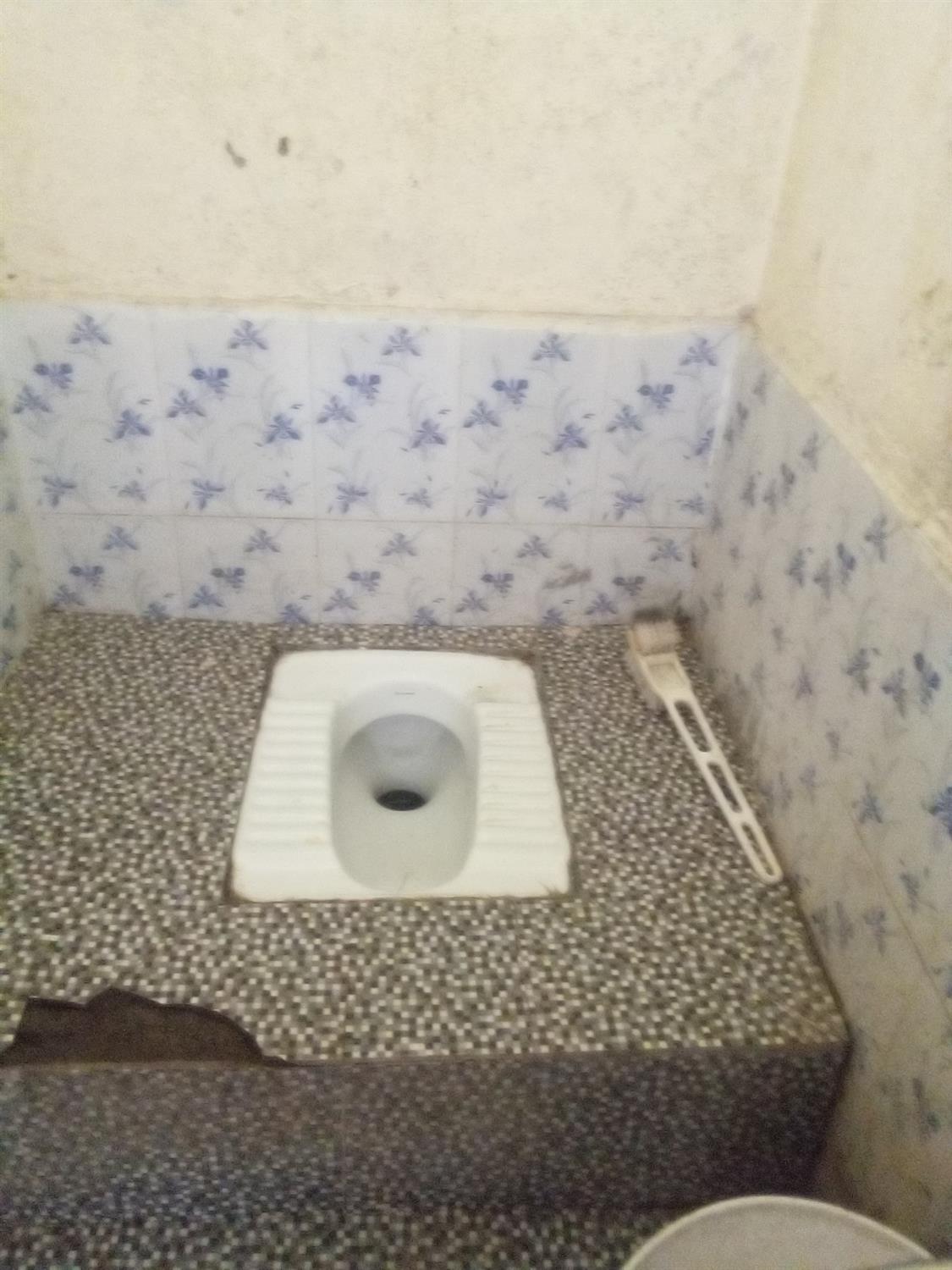
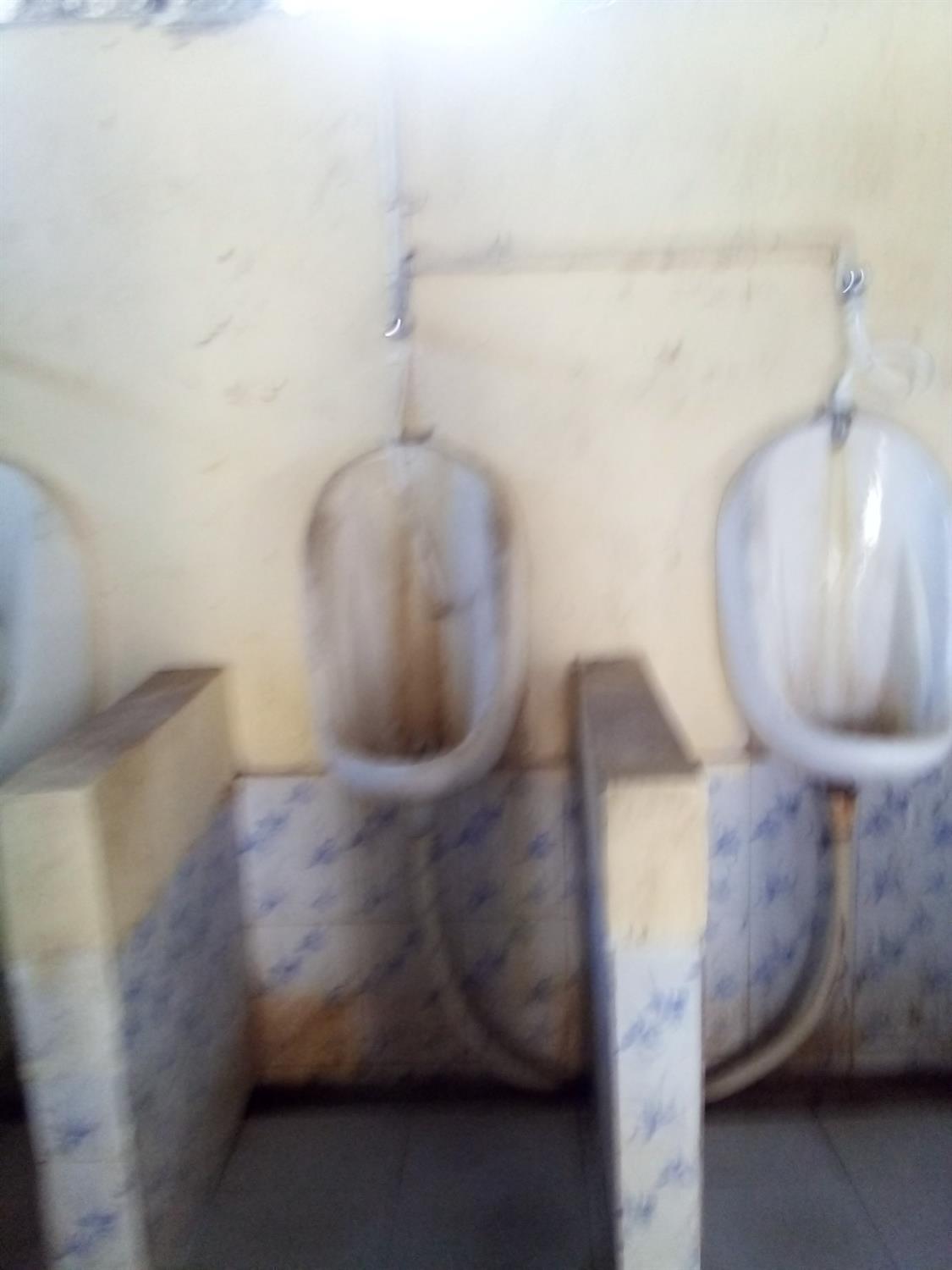
1.Improper waste disposal. 2.Water wastage through leaky taps and misuse. 3.Lack of access to clean drinking water. 4.High levels of air pollution from vehicles and factories. 5.Insufficient and unhygienic sanitation facilities.

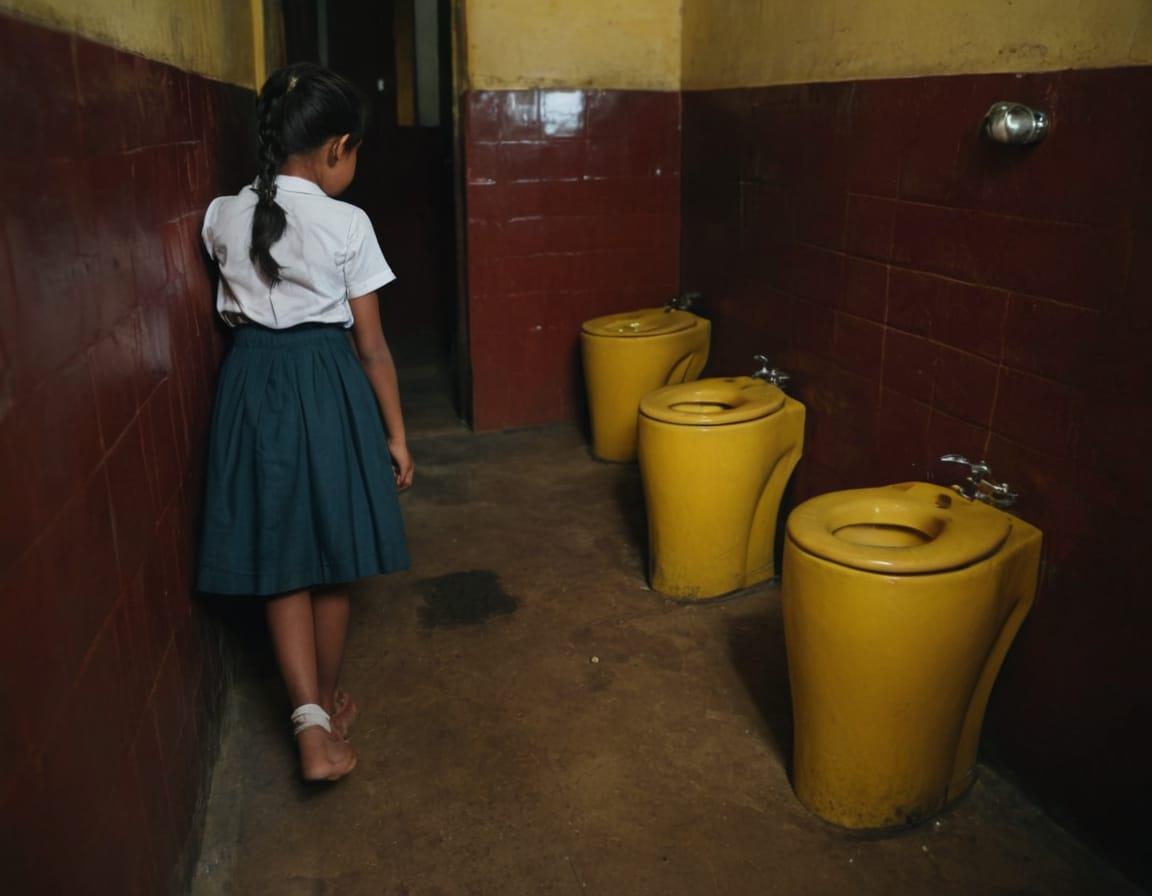
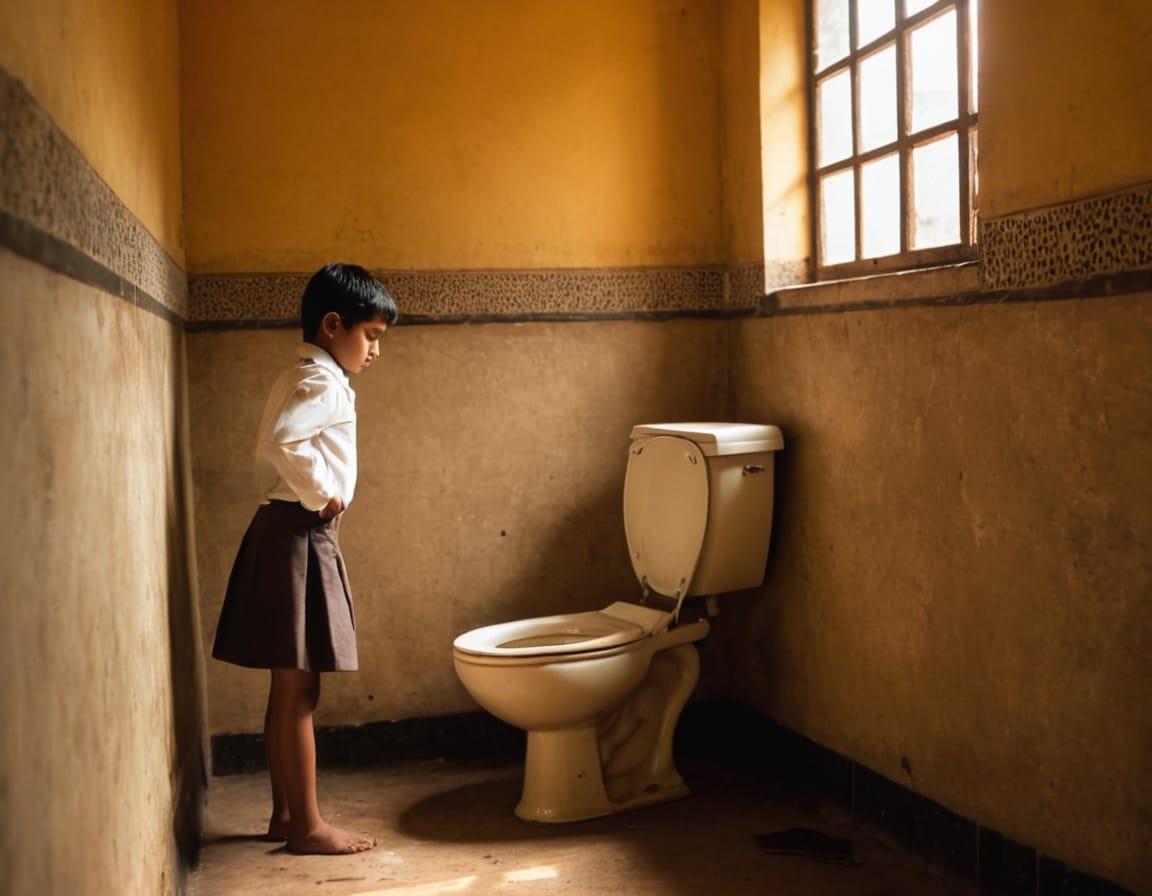
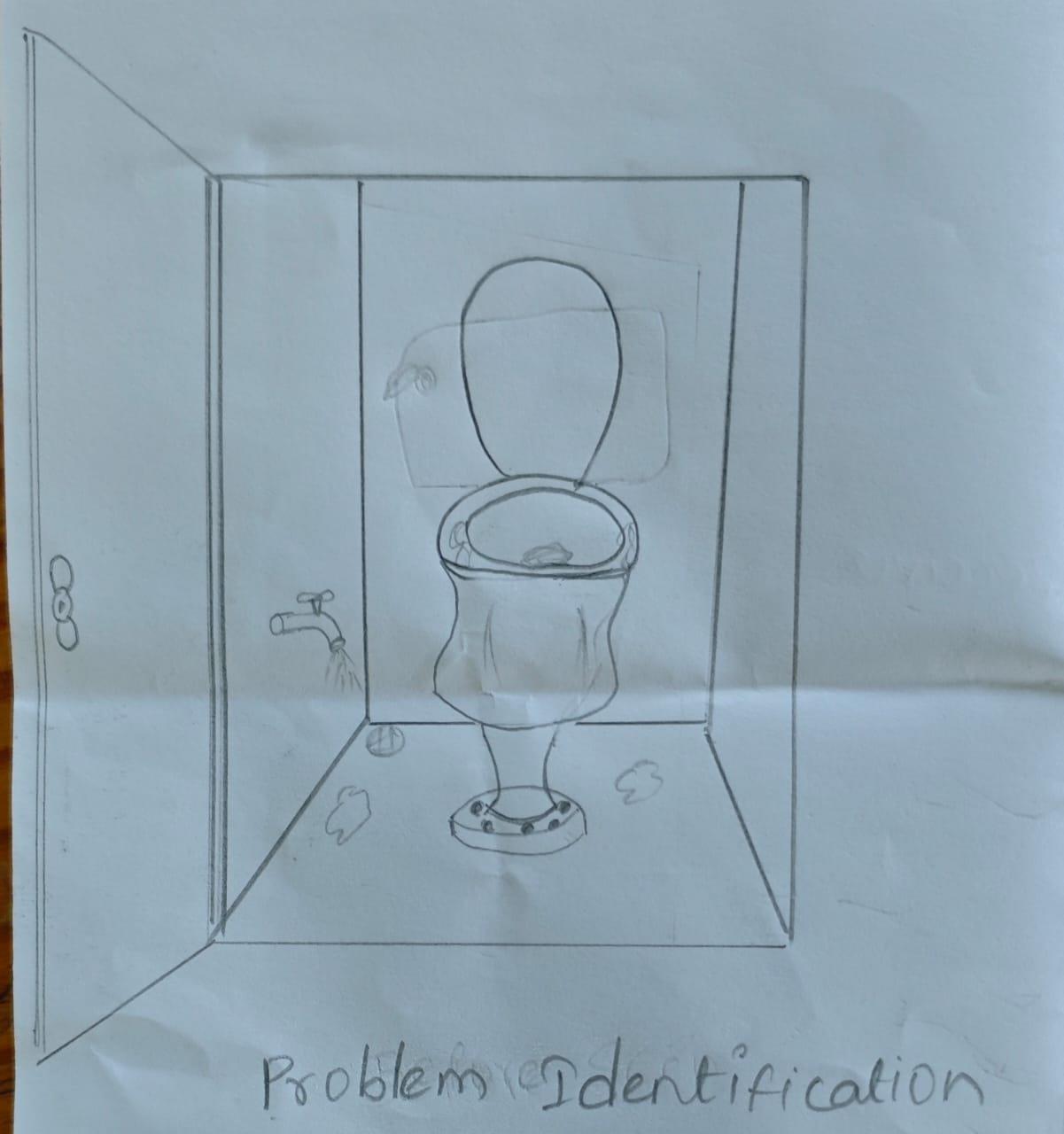
Students' failure to flush toilets due to laziness and lack of awareness. It creates an unhealthy and unsanitary school environment, risking the well-being and health of their peers. Because ...Students fail to clean toilets due to laziness and lack of awareness. This behavior comes from neglecting hygiene, assuming that someone else will take care of it, or not fully understanding its impact on others. Such actions contribute to an unsanitary environment that spreads germs, odors, and disease, ultimately harming the health and well-being of everyone in the school.

Students, teachers and school staff who use the toilet facilities are most affected by the problem. Their primary concerns include the spread of germs and diseases due to unsanitary conditions, unpleasant odors making the environment uncomfortable, and the negative impact on health and overall hygiene standards in the school. Additionally, these conditions can create a sense of discomfort and reluctance to use the facilities, especially for younger students who are more sensitive to unsanitary environments.

Step 2 Imagine

1.Equip restrooms with signs or audio reminders that encourage students to flush after use. 2.Assign student volunteers to monitor bathroom cleanliness, including checking if toilets are flushed. 3.Innovative Toilet Door Locking System. 4.Implement a school-wide campaign that educates students on the importance of flushing and hand hygiene, using posters, workshops, and hygiene competitions. 5.As a stricter approach, implement a system where students who consistently fail to flush face mild penalties.

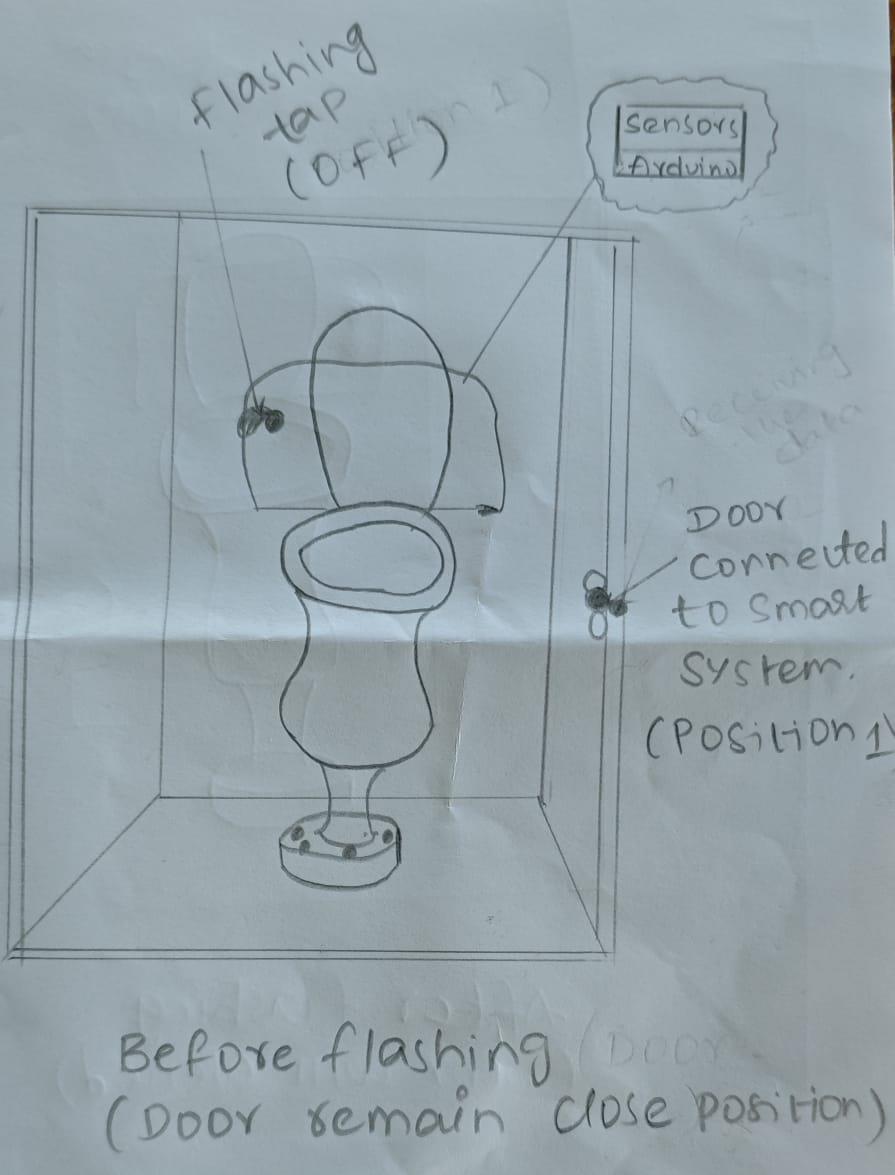
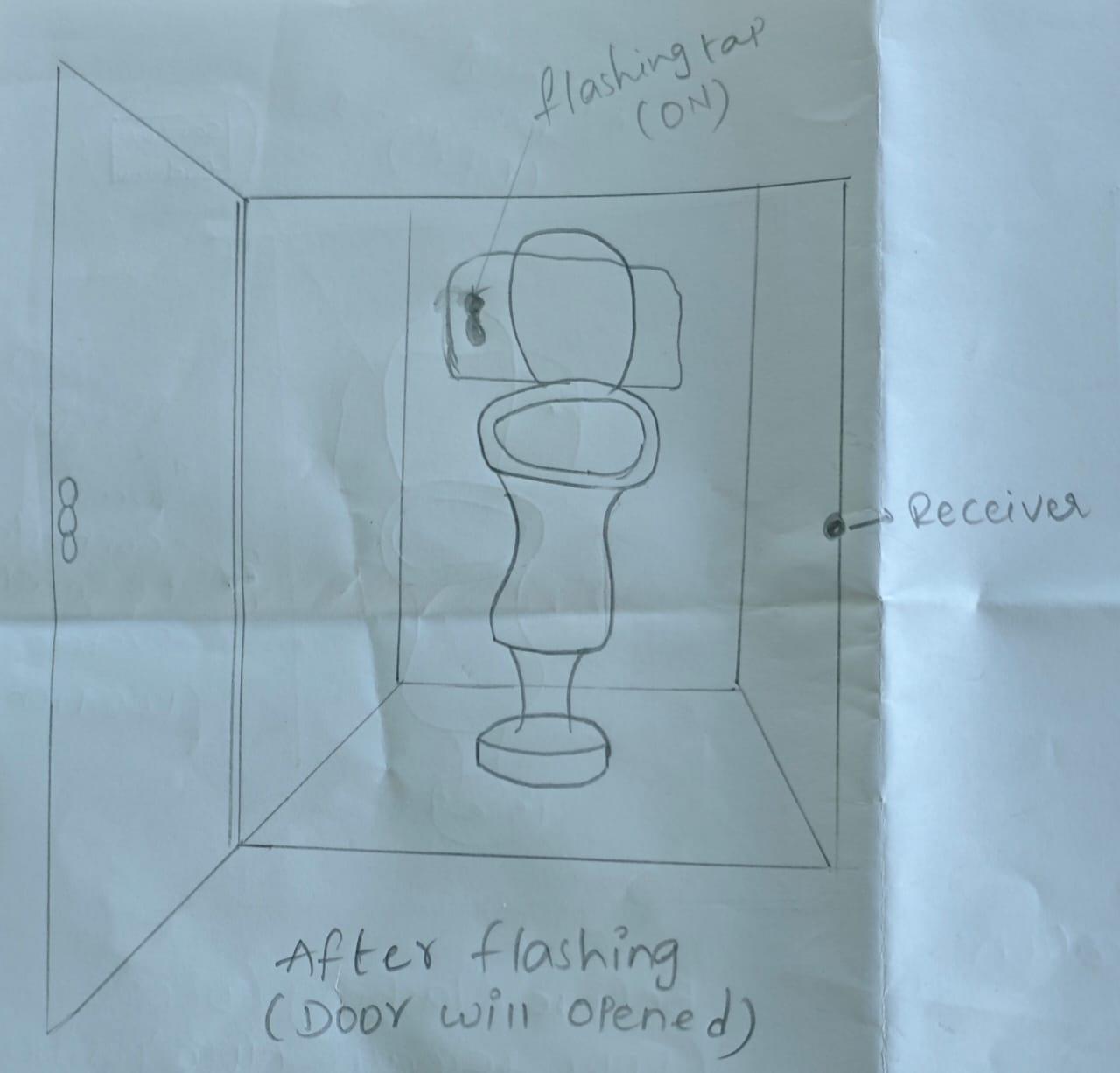
The solution we chose to implement was an innovative toilet door locking system. This system ensures that the door is locked until the toilet is flushed. We chose this approach because it directly addresses the issue of accountability by creating a physical barrier—students cannot leave the restroom until they flush. Reasons for Choosing this Solution: 1.Guaranteed Accountability: Ensures students are on task every time, as they cannot leave without flushing. 2.Change in behavior: Over time, students become accustomed to flushing as part of the restroom process, encouraging better hygiene habits. 3.Simple yet effective: While automated flush systems eliminate effort, a door-locking mechanism actively engages students and reinforces responsibility. 4.Innovation and Impact: Design encourages an innovative way to influence behavior and hygiene, ensuring cleanliness through automation but with personal responsibility.

Step 3DO

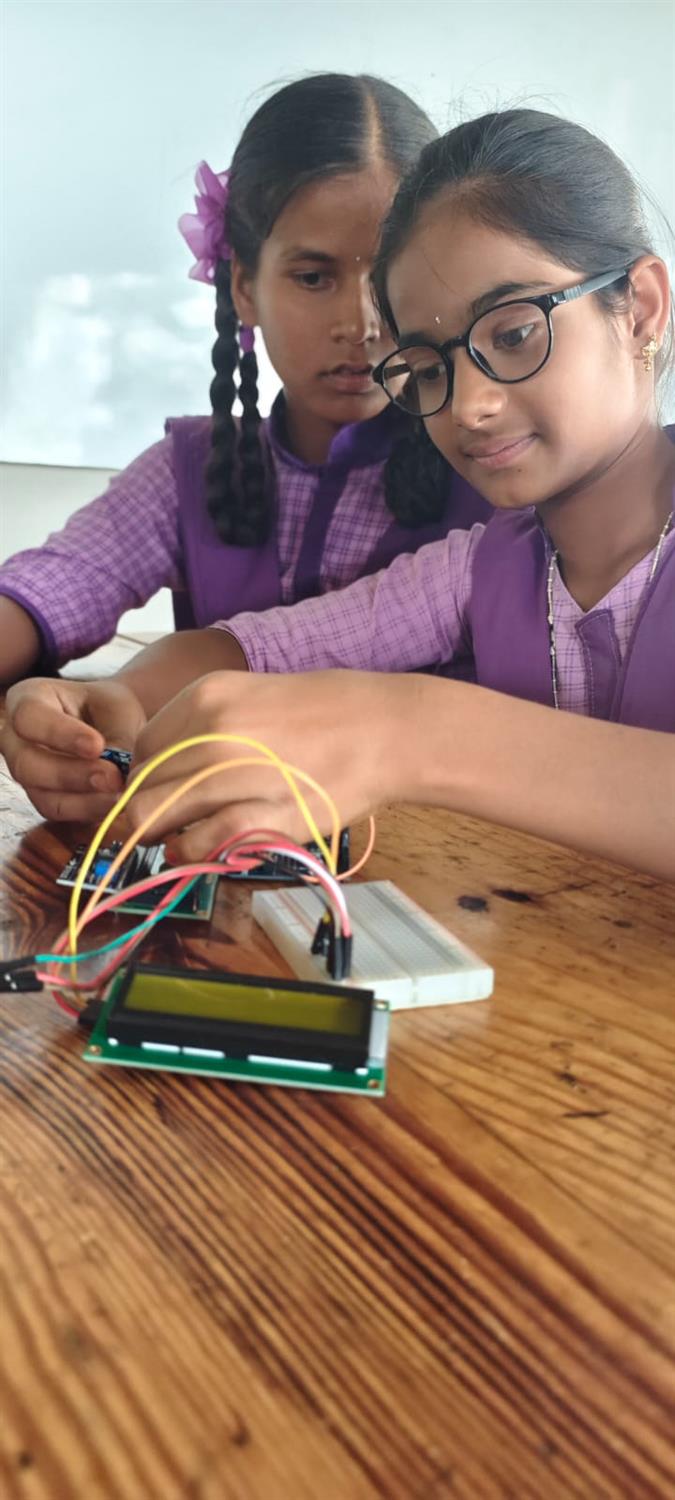
The implementation process first involves designing and testing a sensor-based door lock system that detects when a toilet is flushed. Next, install the system in school restrooms to make sure it works properly. Train the maintenance staff on its operation and give students a brief orientation on how it works. Regular monitoring and maintenance system will continue to effectively promote cleanliness.

An innovative toilet door locking system has resulted in a marked improvement in restroom hygiene. Toilets are constantly being flushed as students have to flush them to exit. This led to cleaner restrooms and reduced complaints about unsanitary conditions. Additionally, the system has raised awareness about personal responsibility in maintaining a clean environment. Over time, students adapted to the new process and the school saw an overall boost in cleanliness and accountability among students.

200

1. "Regular cleaning not only keeps our environment healthy, but also teaches the value of responsibility and respect for shared spaces." – Mr. Gupta, School Watchman 2. "When everyone takes a moment to clean up after themselves, it creates a more pleasant and welcoming environment for everyone." – Mrs. Anjali, a school teacher 3. "The new system has really improved our restroom cleanliness. It's an easy yet effective way to teach students about responsibility." – Mrs. Sharma, School Principal 4. "It felt weird at first, but now I see how it helps everyone remember to flush. Bathrooms are definitely cleaner!" – Thejaswini, a student of class 8

One of the main challenges was getting students used to the new system, which some felt uncomfortable at first. To overcome this, we conducted awareness sessions explaining the importance of hygiene and how this system can benefit everyone. Another challenge is to ensure that the sensor-based door mechanism works properly. We addressed this by conducting regular maintenance checks and tweaking the system to keep it running smoothly without causing disruptions.

7-15 Days

Good health and well being

We believe that this plan will sustain the effectiveness of the project because it will ensure that the general management system works effectively, avoiding any problems that could undermine its purpose. Integrating hygiene education into the curriculum inculcates a culture of responsibility and awareness among students, emphasizing cleanliness. Establishing a student-led hygiene committee encourages ongoing engagement and accountability for peers to take ownership of the initiative. This combination of education, management and student involvement creates a holistic approach to promoting hygiene that has lasting effects.

Step 4 SHARE

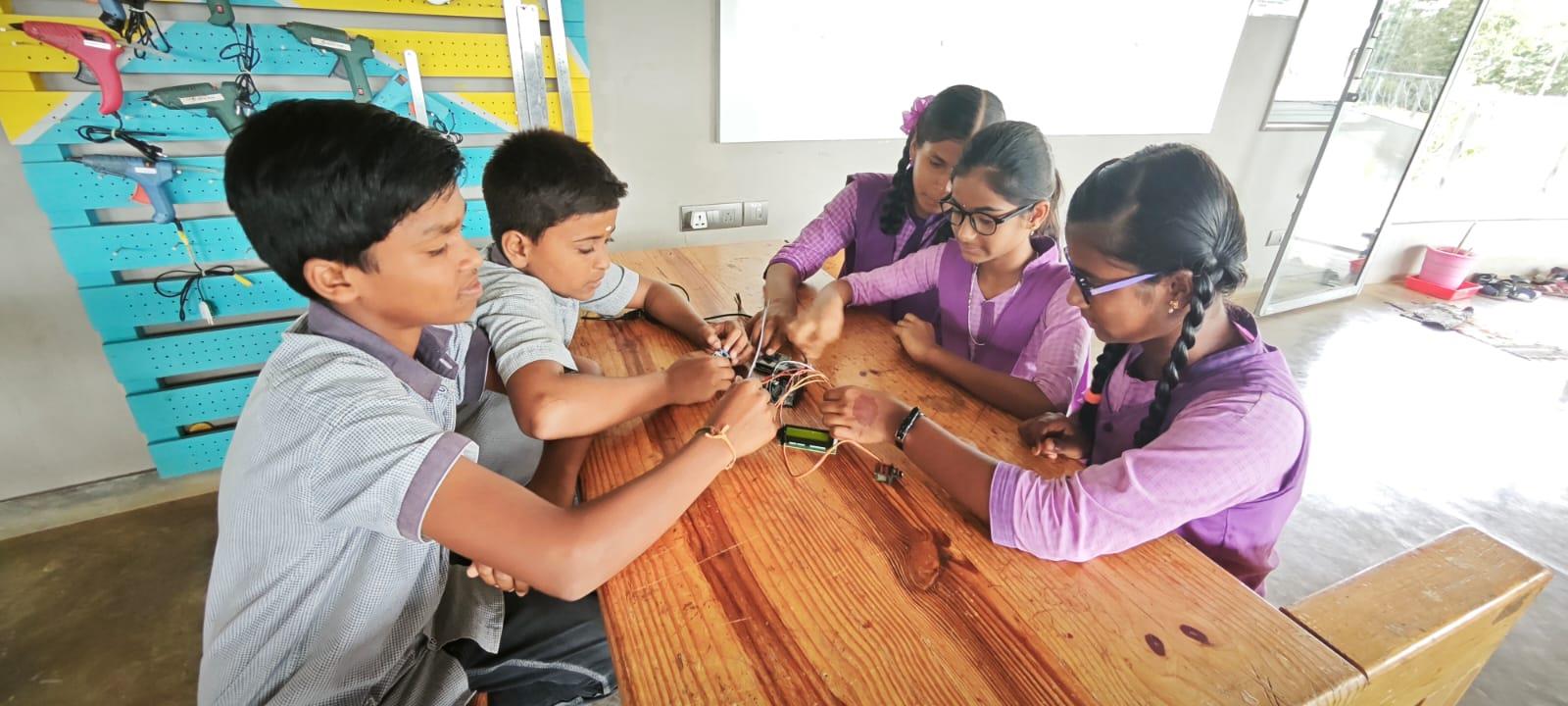
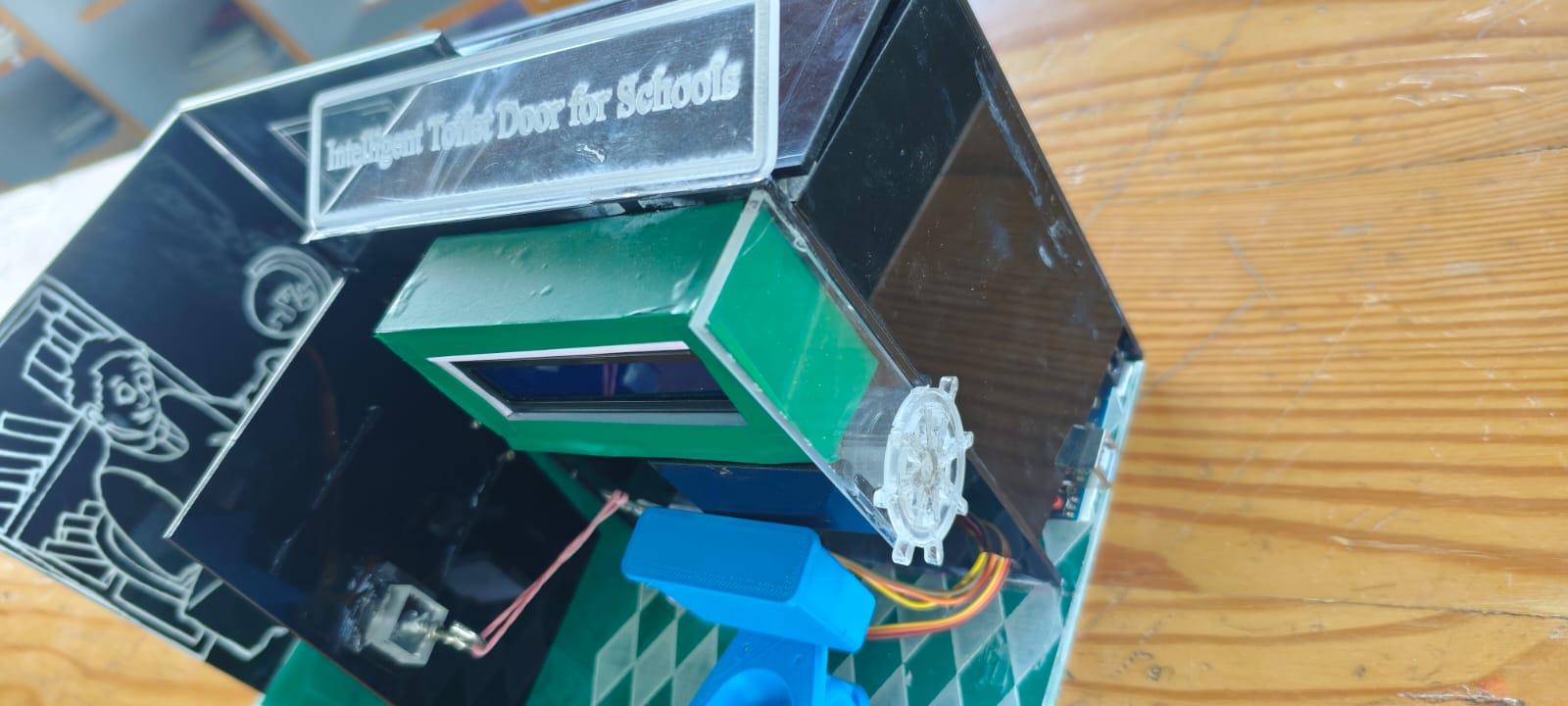
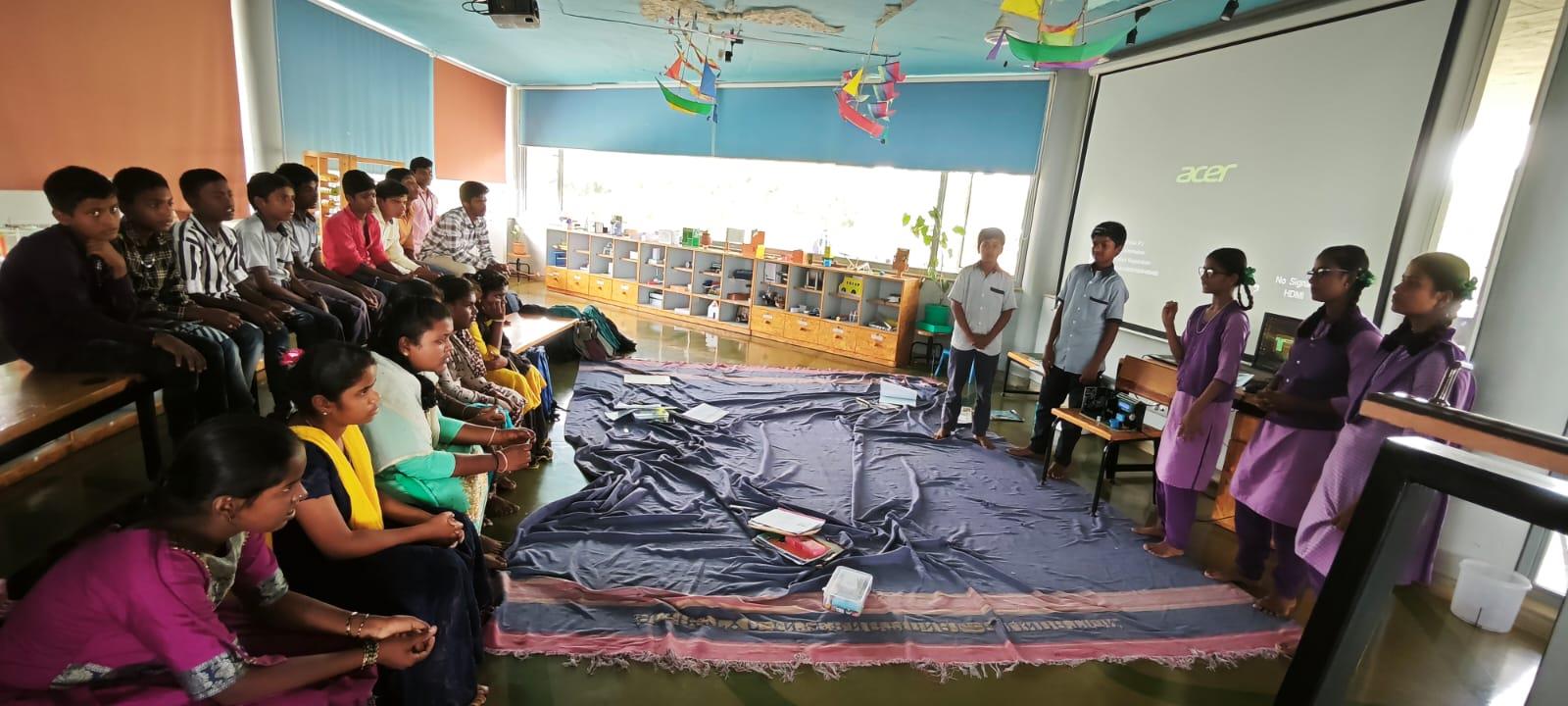
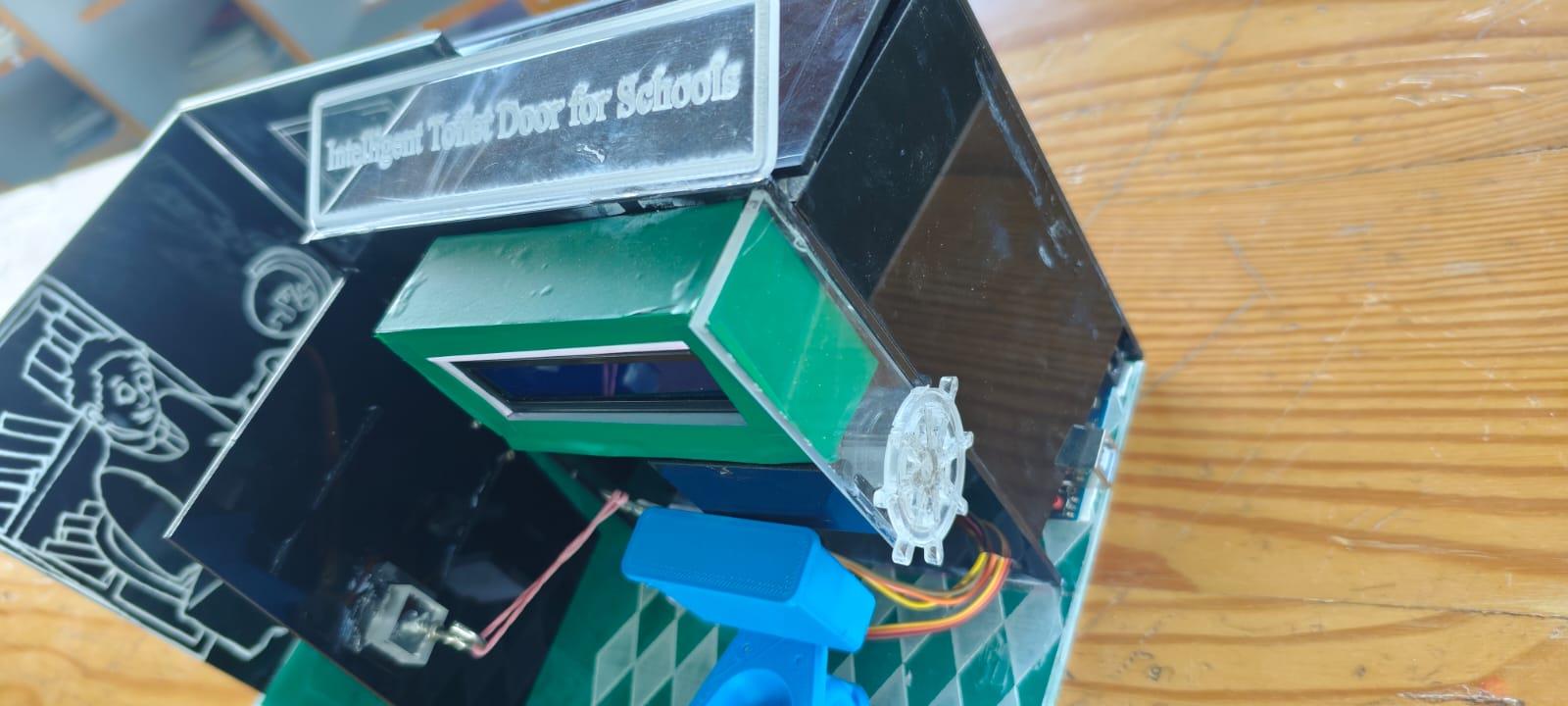
We shared our project through a school assembly, explaining how the innovative toilet door system works and its benefits. We also placed posters around the school and displayed at parent-teacher meetings to engage the community. As part of our initiative, we have created a prototype for this project to demonstrate its functionality. Students and teachers appreciated the initiative, considering it a positive step in maintaining cleanliness. Parents are expected to inculcate good habits in their children.

More than 100

To maintain the effectiveness of the project, we plan to implement regular maintenance checks to ensure continued functionality of the toilet door system. We also include hygiene education in the school curriculum to reinforce the importance of hygiene among students. In addition, we will form a student-led hygiene committee responsible for raising awareness and encouraging peers to maintain cleanliness in restrooms. This committee conducts periodical campaigns and feedback sessions to keep the initiative active and attractive.