STORY PREVIEW

2026

QUANTUM COMPUTING IN AI

sairam matric higher secondary school,thiruthuraipoondi

tamilnadu

MENTOR

ilakkiya sivakumar M.sc,M.B.A,B.ed

Step 1 FEEL

• Lack of exposure: Few schools or colleges introduce quantum computing concepts early, leaving students unaware of its importance. • Limited resources: Absence of quantum labs, simulators, or access to quantum computers for hands-on practice. • Complexity of subject: Quantum mechanics and algorithms are difficult to understand without strong math and physics backgrounds. • Shortage of trained teachers: Very few educators specialize in quantum computing, making it hard to get proper guidance.

Lack of exposure and awareness about quantum computing in schools and local communities. • Emerging technology: Quantum computing is becoming crucial in fields like AI, medicine, and cyber security, but most students and communities have little knowledge of it. • Educational gap: Schools rarely include quantum concepts in their curriculum, leaving students unprepared for future careers. • Accessibility issues: Without awareness, people cannot take advantage of online simulators, workshops, or quantum cloud platforms that are already available.

• Students: Especially those in high school and college who miss opportunities to learn about emerging technologies. • Teachers/Educators: Struggle to teach advanced topics due to limited training or resources. • Researchers: Face difficulty in building a strong talent pipeline for quantum computing and AI. • Local community members: Remain unaware of how quantum computing could impact industries, jobs, and daily life. • Future workforce: Young professionals risk being underprepared for careers in quantum technology. • Educational gap: Students worry about being left behind compared to peers in better-equipped institutions. • Career opportunities: Fear of missing out on jobs in quantum computing, AI, and related fields. • Resource limitations: Teachers and schools lack access to labs, simulators, or training programs. • Awareness deficit: Communities don’t understand how quantum computing could affect industries like healthcare, finance, or cybersecurity. • Global competitiveness: Concern that without exposure, local talent won’t be able to compete internationally in advanced technology sectors.

Step 2 Imagine

Education-focused Solutions • Introduce quantum basics in curriculum: Add simple modules on quantum concepts in high school and college courses. • Teacher training programs: Organize workshops to train educators in quantum computing fundamentals. • Student clubs & eco-tech groups: Create quantum computing clubs where students can explore simulations and projects. • Guest lectures & seminars: Invite experts from universities or industry to give talks on quantum computing. • Hands-on labs: Use quantum simulators and cloud-based quantum platforms (like IBM Quantum Experience or Google Cirq).

• Foundational learning: By including quantum concepts early, students build a strong base for future studies in AI and advanced computing. • Accessibility: Curriculum changes and workshops can reach a wide audience without requiring expensive quantum hardware. • Teacher empowerment: Training educators alongside students ensures knowledge spreads consistently. • Community impact: Awareness sessions help parents, local businesses, and community members understand how quantum computing will affect industries and jobs. • Sustainability: Once integrated into the curriculum, exposure to quantum computing becomes a regular part of education, not just a one-time event.

Step 3DO

• Planning: Identify key quantum concepts (like qubits, superposition, entanglement) suitable for beginners. • Teacher training: Conduct short sessions to prepare educators with simplified teaching materials. • Curriculum integration: Add introductory modules or lessons into science/technology subjects. • Workshops & seminars: Organize awareness programs for students and community members using visuals and real-life examples. • Hands-on practice: Use free online quantum simulators and platforms to give students practical exposure. • Feedback & improvement: Collect responses from students and teachers to refine the sessions.

• Increased awareness: Students and teachers gained a basic understanding of quantum computing concepts like cubits and superposition. • Boosted interest: Many students expressed curiosity to learn more and even explore careers in quantum technology. • Teacher empowerment: Educators felt more confident introducing advanced topics in class after training sessions. • Community engagement: Parents and local community members became aware of how quantum computing could influence industries such as healthcare, finance, and cyber security. • Practical exposure: Students used free online quantum simulators, giving them hands-on experience without expensive hardware. • Future readiness: The project helped prepare the school and community for upcoming opportunities in AI and quantum technologies.

45

1. Student’s view: “Before this project, I had never even heard of quantum computing. The workshops helped me understand the basics and now I feel inspired to explore careers in this field.” 2. Teacher’s view: “The training sessions gave us simple ways to introduce quantum concepts in class. It’s exciting to see students curious about such advanced technology.”

• Low awareness: Many students and community members had never heard of quantum computing, so initial interest was low. • Complex subject matter: Quantum concepts like superposition and entanglement were difficult for beginners to grasp. • Limited resources: Schools lacked access to quantum simulators, labs, or trained teachers. • Resistance to change: Some educators felt the topic was too advanced to include in regular lessons. • Technical barriers: Accessing online quantum platforms required stable internet, which was not always available.

15-30 Days

Industry, innovation and infrastructure

Quantum computing in AI drives cutting-edge innovation in computing infrastructure. It supports industries like healthcare, finance, and energy by solving problems classical computers struggle with. Reason: Building advanced quantum-AI systems strengthens technological infrastructure and fosters sustainable industrial growth.

Step 4 SHARE

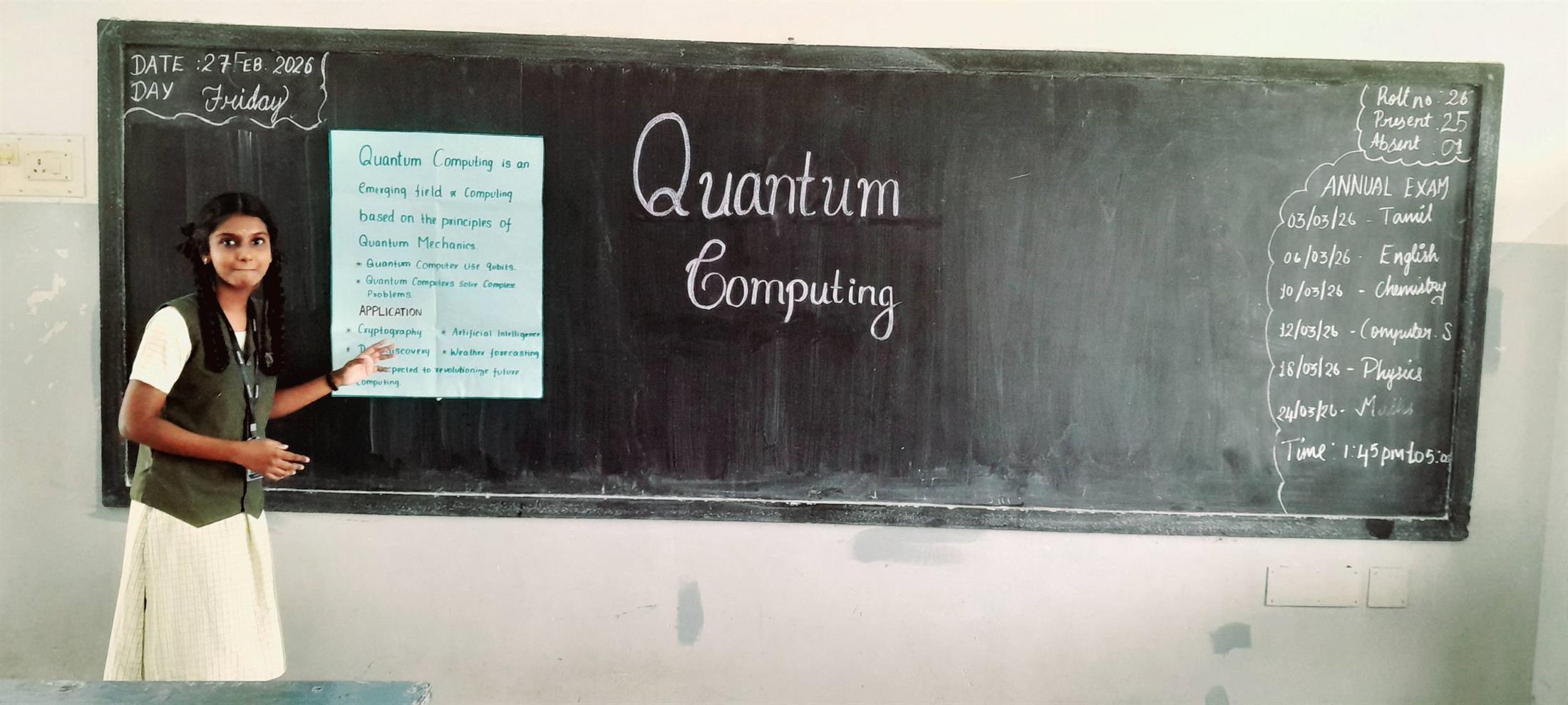
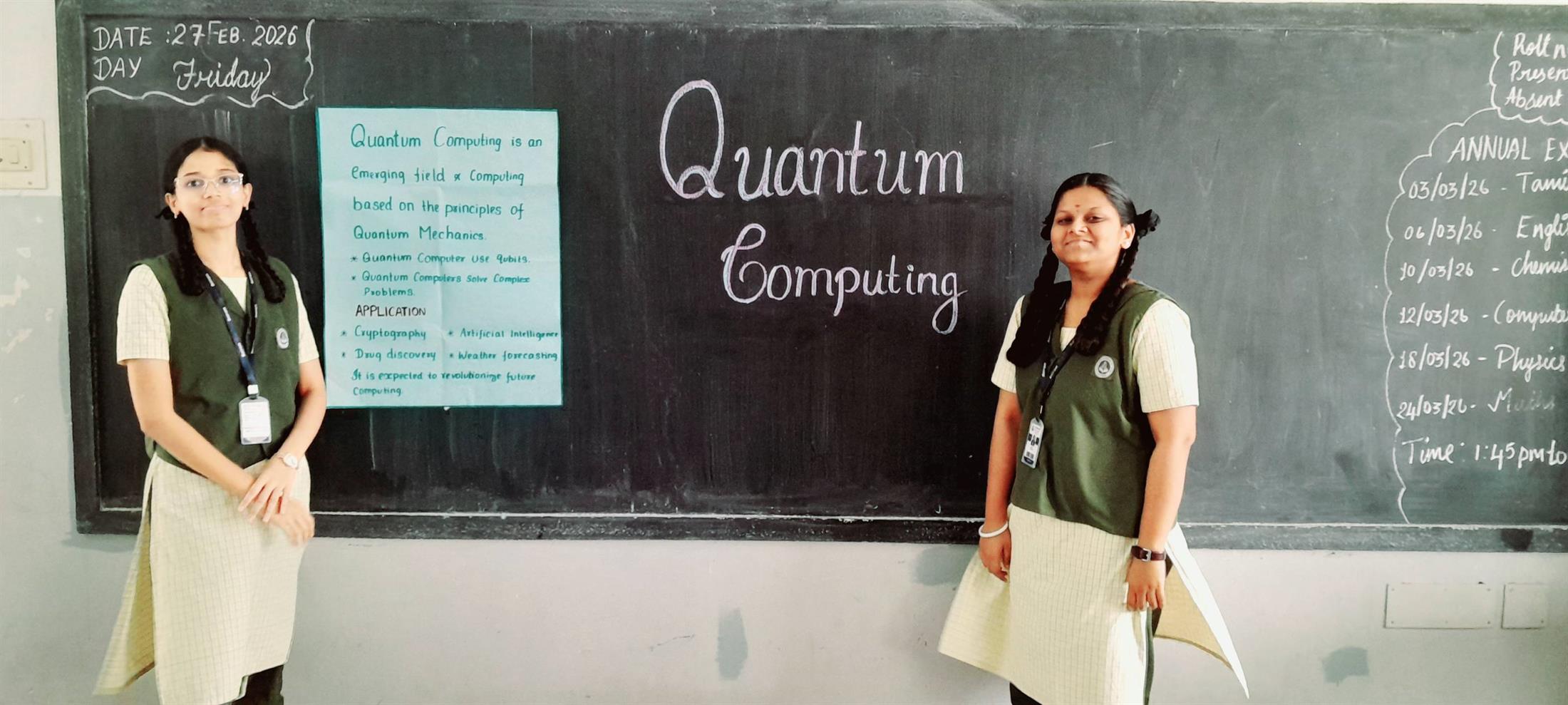
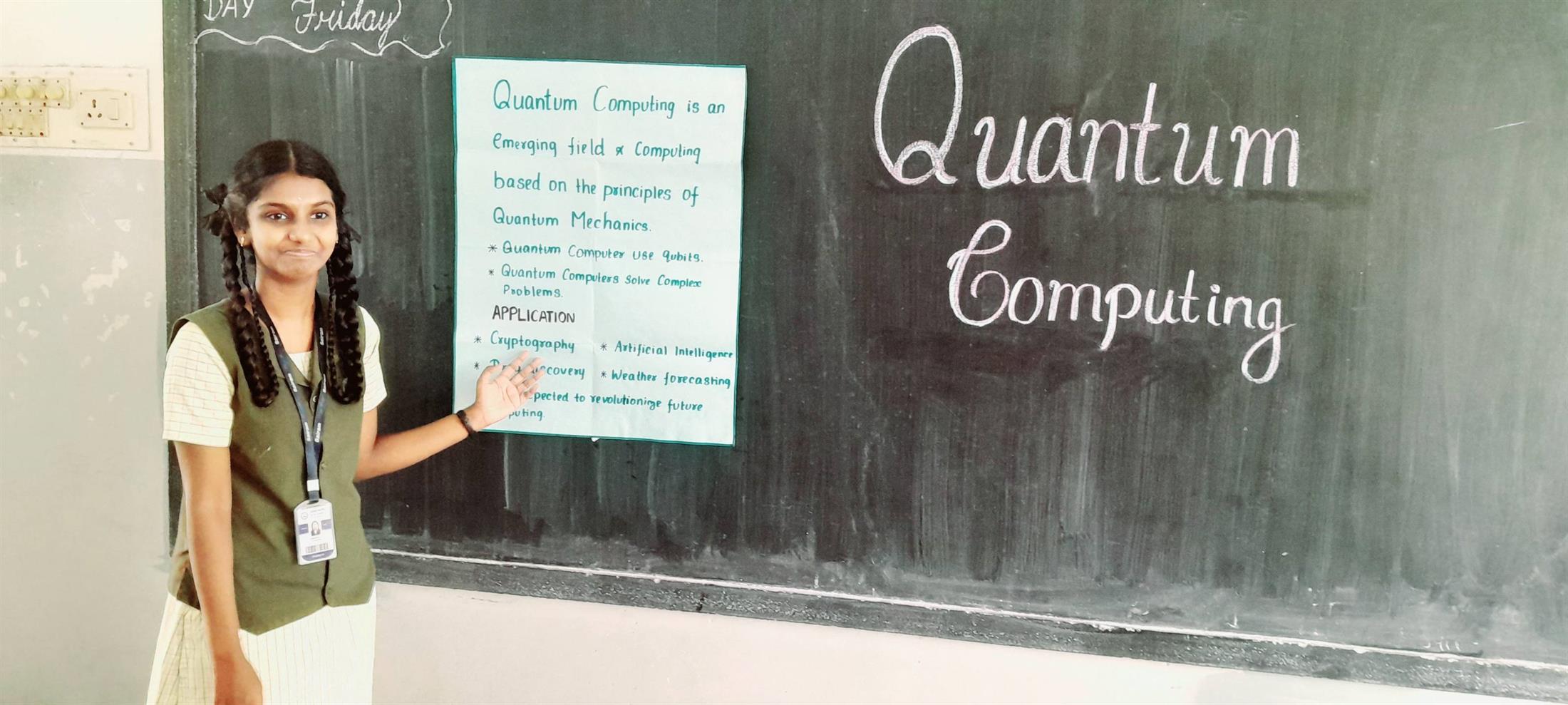
I shared my project with my school friends, teachers, family members, and neighbours. Their response was positive and encouraging.

20-50

• Regular workshops: Continue hosting awareness sessions each semester to keep students updated on new developments. • Curriculum integration: Ensure quantum basics remain part of science/technology subjects so future batches also benefit. • Teacher support: Provide refresher training and resources so educators stay confident in teaching quantum concepts. • Student clubs: Maintain active quantum computing clubs where students can explore simulators and share knowledge. • Community outreach: Organize occasional talks for parents and local community members to spread awareness beyond the school. • Online learning: Encourage use of free quantum computing platforms and MOOCs to sustain interest and practice.