STORY PREVIEW

2024

From Nature to Nurture: A Green Solution for Pest Control

Agastya International Foyndation

Andhrapradesh

MENTOR

J Munaswamy

Step 1 FEEL
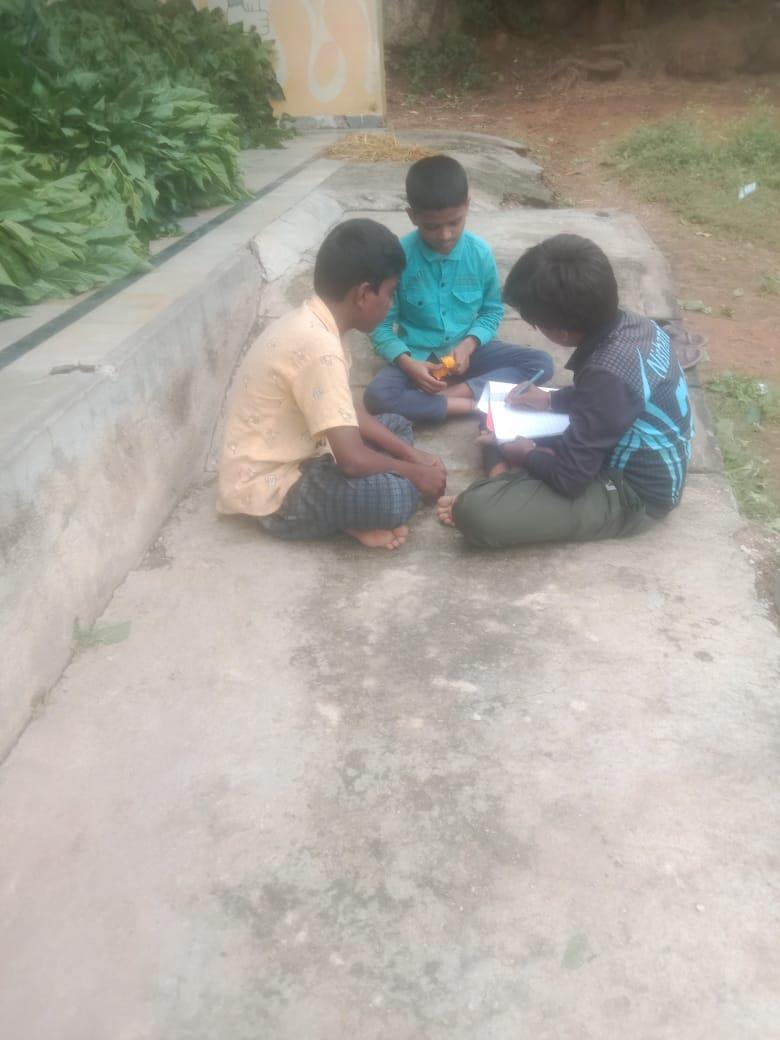
Farmers not getting enough crop productions. Lack of proper sanitation: Unhygienic restrooms or insufficient water supply. Insufficient resources: Lack of proper study materials, labs, or extracurricular opportunities. Overcrowding: Too many students in one class, making it hard to learn or interact effectively with teachers.

From Nature to Nurture: A Green Solution for Pest Control This project arises from empathy for people who struggle with pest problems in both their homes and agricultural fields but are wary of the harmful effects of chemical repellents. Many pest control solutions on the market can impact health, the environment, and beneficial wildlife. By developing a natural, homemade alternative, this project considers the well-being of users, their families, and the broader ecosystem.

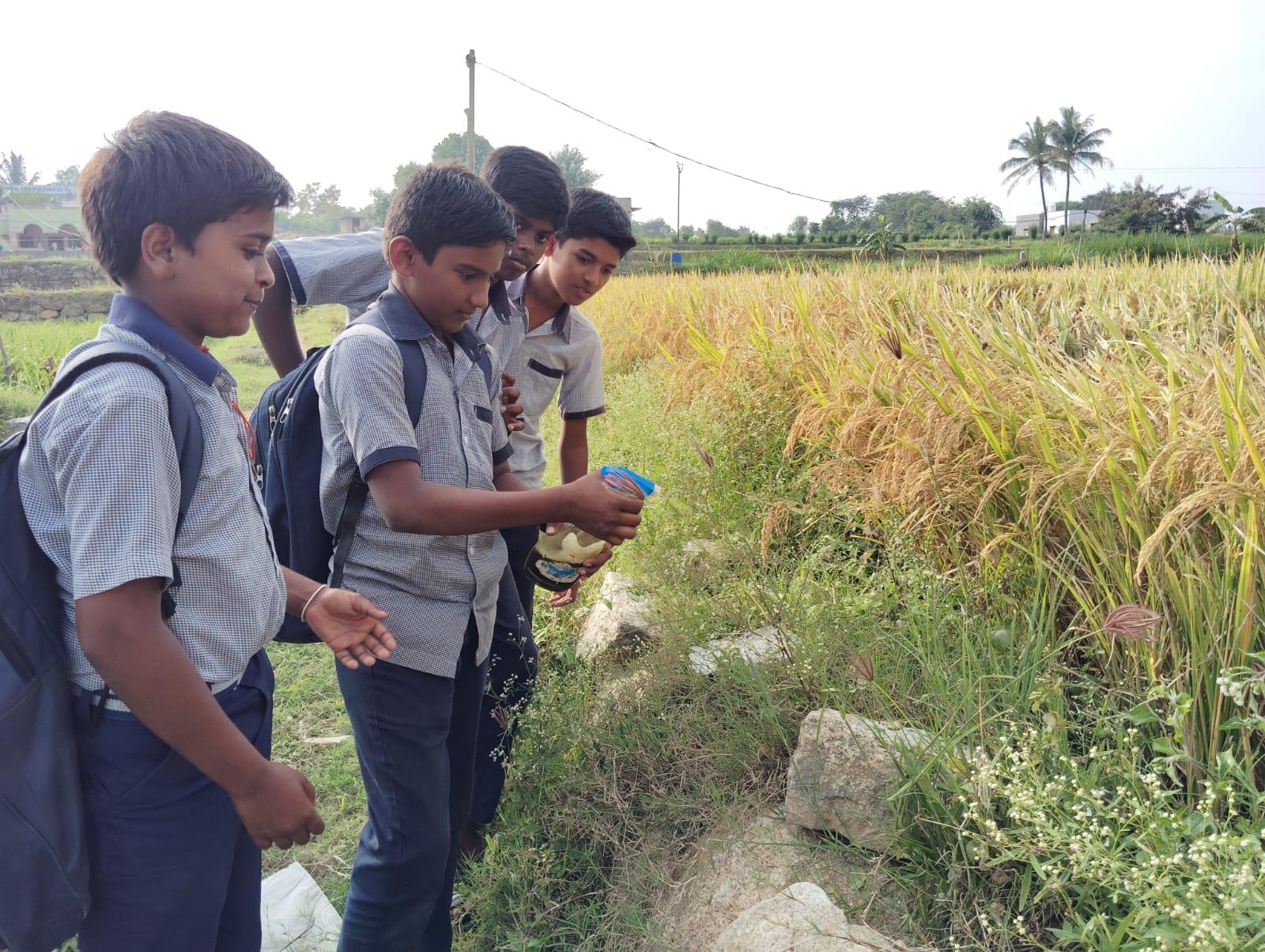
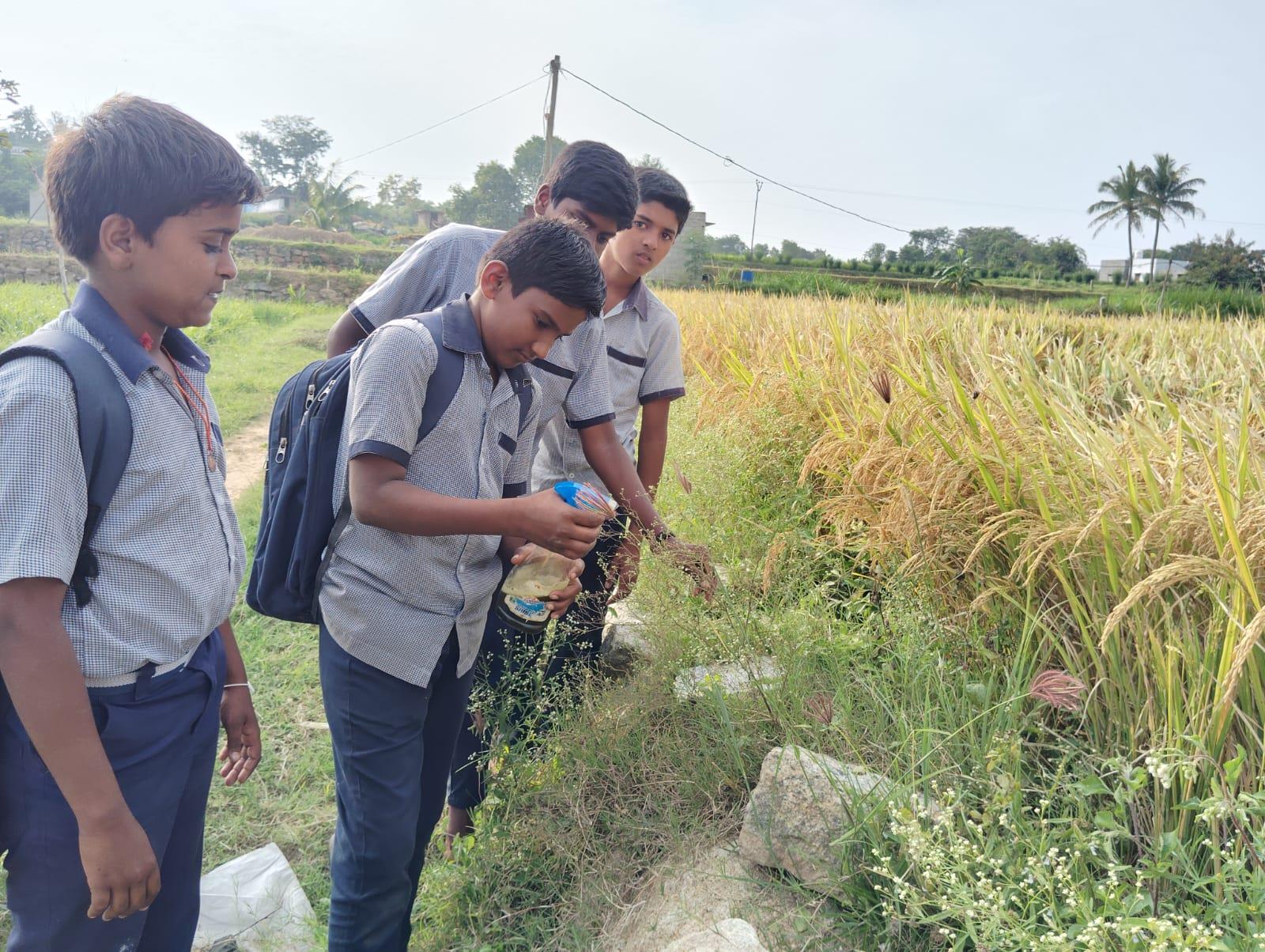
Farmers and Agricultural Workers: Farmers dealing with pest infestations in their crops face significant losses due to damage caused by insects and rodents. They are concerned about the negative impact of chemical pesticides on both their crops and the environment, including soil degradation, water contamination, and harm to non-target organisms.

Step 2 Imagine

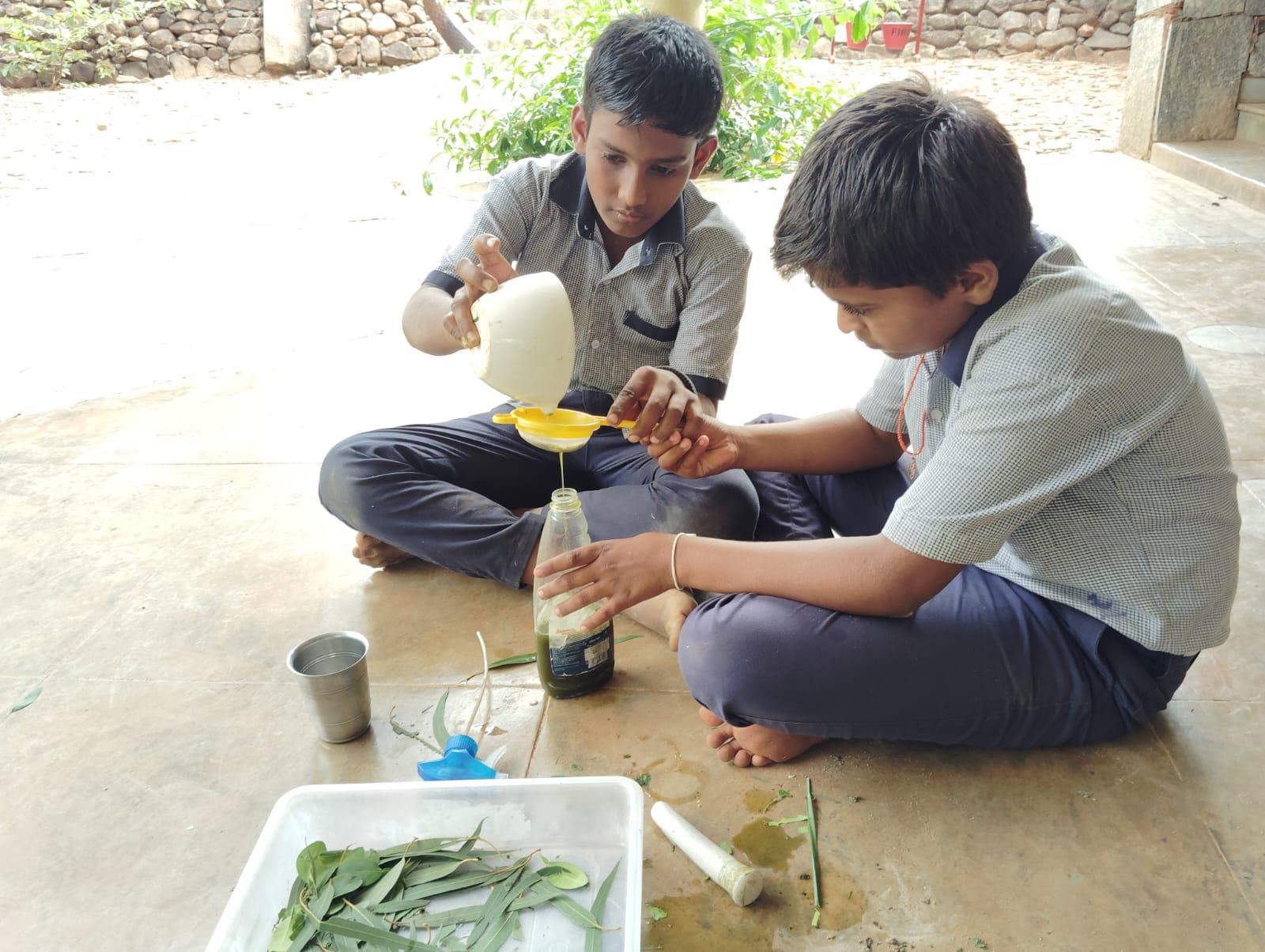
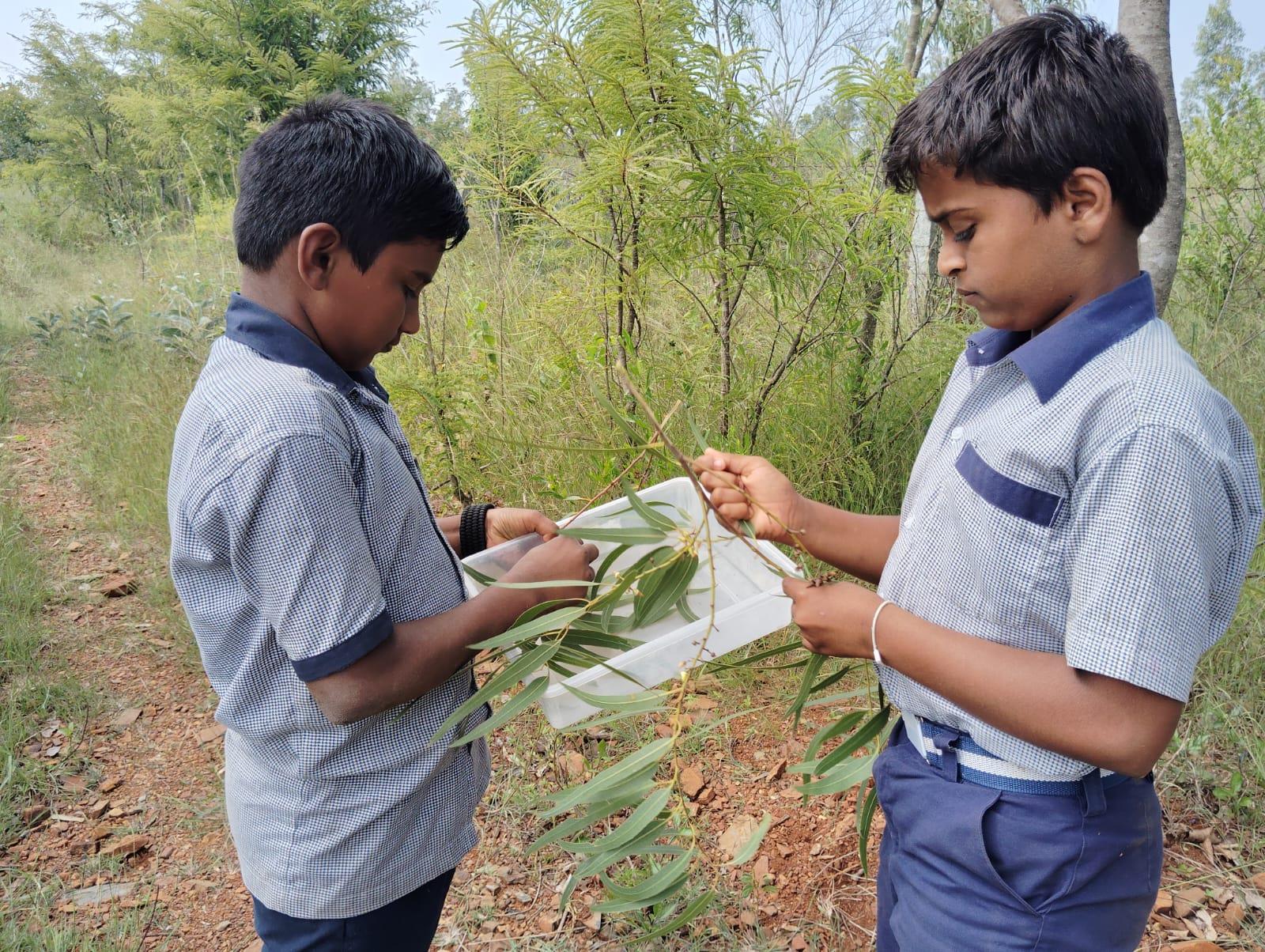
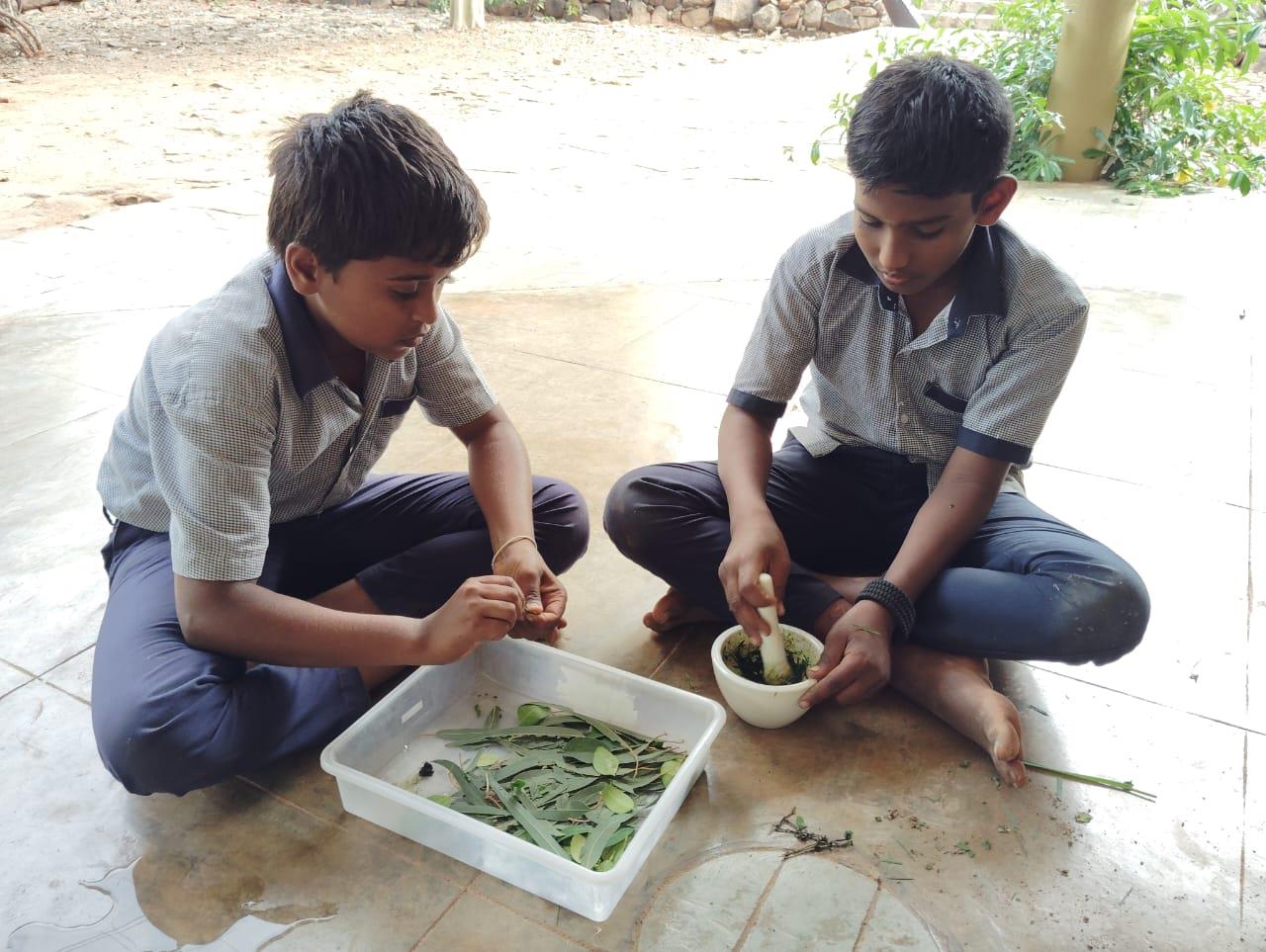
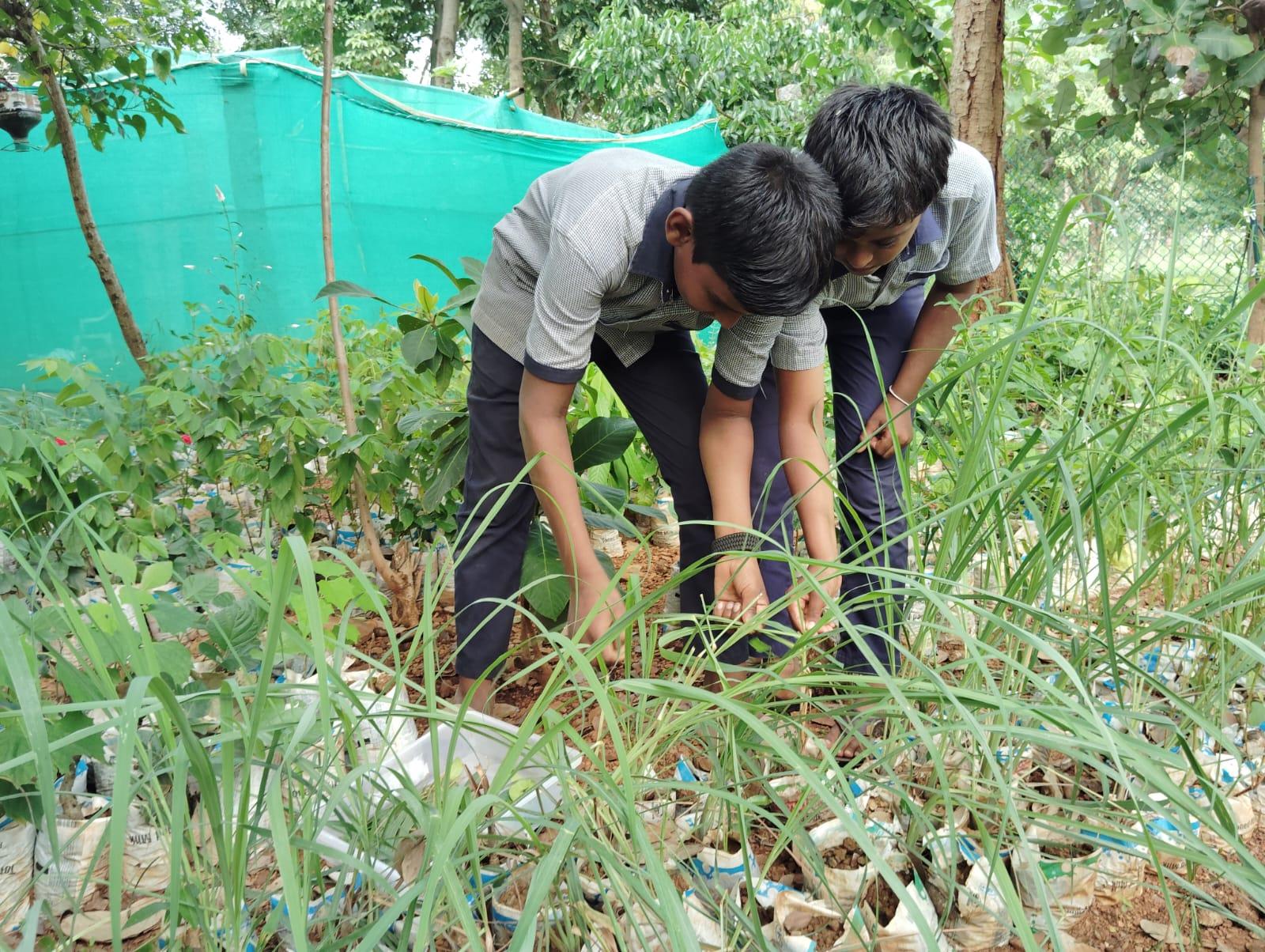
Eco-Friendly, Homemade Insect and Rat Repellent: The primary solution is a natural repellent made from mint leaves, eucalyptus leaves, lemon leaves, and lemongrass leaves. These ingredients were chosen for their specific properties that repel insects and rodents effectively. Mint leaves mask scents, eucalyptus contains eucalyptol, lemon leaves offer a citrus scent, and lemongrass has citronella. Natural Oil Extraction Process: Fresh leaves from the chosen plants are collected, dried, and processed to concentrate their essential oils. This method ensures a potent and effective blend for pest control. The oils are then mixed to create a balanced, all-natural repellent that can be applied to areas prone to infestations.

The solution chosen to implement is the eco-friendly, homemade insect and rat repellent made from natural extracts of mint leaves, eucalyptus leaves, lemon leaves, and lemongrass leaves. Reason for Choosing This Solution: Health and Safety: This natural repellent is non-toxic, making it a safer alternative to chemical repellents. It protects both human and animal health by avoiding the harmful side effects associated with synthetic chemicals, such as allergies, respiratory issues, or long-term health risks. Environmental Impact: The use of natural ingredients minimizes ecological damage. Unlike chemical pesticides, this repellent does not pollute soil, water, or harm beneficial organisms like bees, birds, and other wildlife. This aligns with the goal of promoting environmental sustainability. Effectiveness: The natural ingredients—mint, eucalyptus, lemon, and lemongrass—are well-known for their repellent properties. Each ingredient has specific benefits, such as masking scents that attract pests, containing insect-repelling compounds, and providing a refreshing, citrusy scent to deter pests. This makes the repellent highly effective in controlling both insects and rodents. Ease of Preparation and Use: The process of making this homemade repellent is simple and cost-effective. The ingredients are readily available and easy to process, making it a practical solution for both large-scale agricultural use and household applications. Sustainability: This solution supports sustainable pest control by reducing reliance on harmful chemical pesticides, promoting healthier ecosystems, and encouraging the use of renewable, natural resources.

Step 3DO

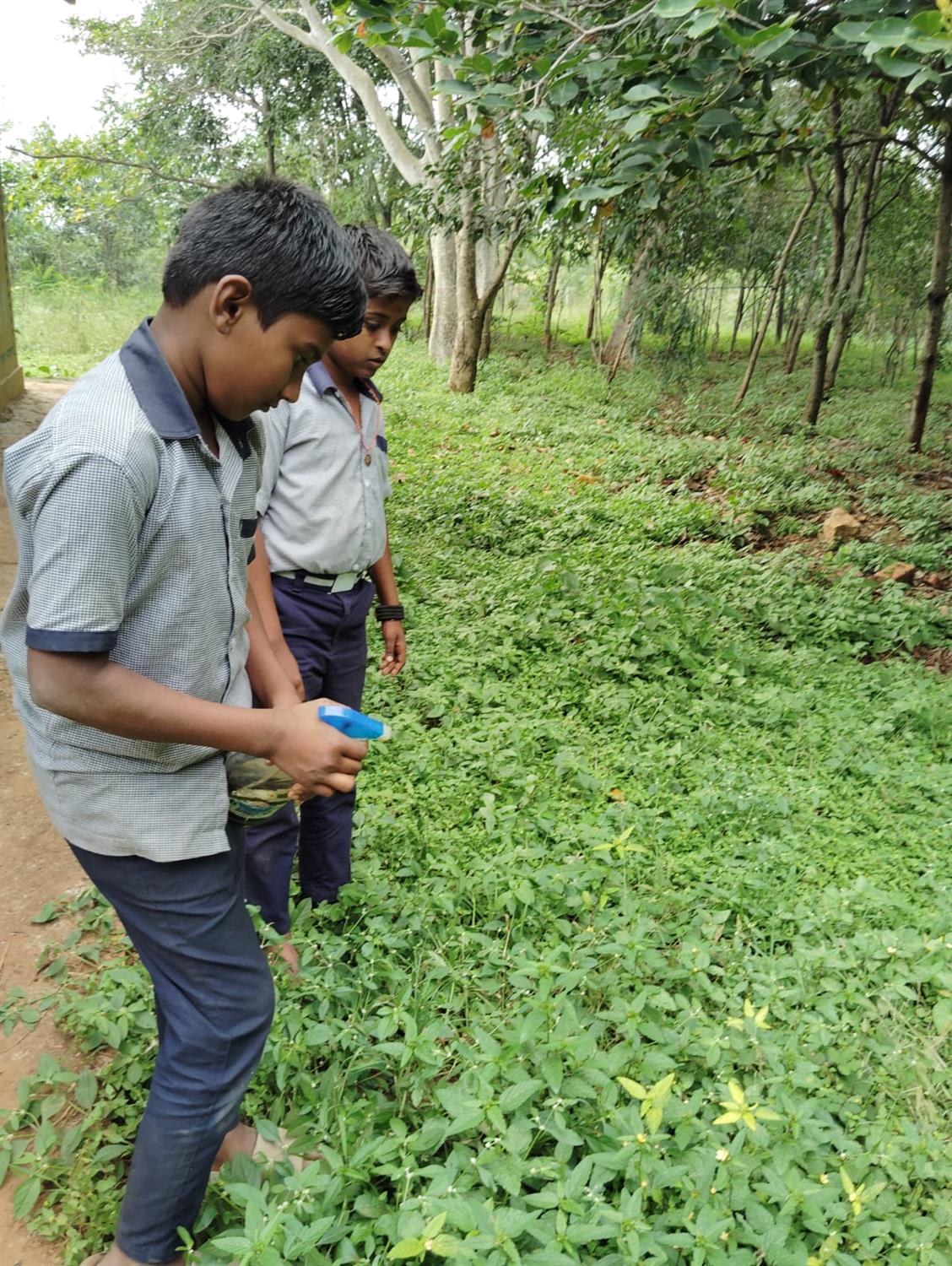
To implement the eco-friendly, homemade insect and rat repellent in a community, follow these steps: Awareness and Education: Conduct workshops, seminars, or informational campaigns to educate the community about the harmful effects of chemical repellents and the benefits of using natural, eco-friendly solutions. Share knowledge about the properties of the ingredients (mint, eucalyptus, lemon, and lemongrass) and how they help in pest control. Demonstration and Training: Organize hands-on workshops where community members can learn how to make the repellent themselves, including proper techniques for drying leaves, extracting oils, and mixing them. Provide materials or kits to help them start creating their own repellent at home. Local Production and Distribution: Set up small-scale production units within the community where fresh ingredients can be collected and processed into repellents. This could provide local employment opportunities. Distribute the repellent to households, schools, farms, and other areas prone to pests. Collaborate with Local Farmers and Homeowners: Partner with local farmers and homeowners to implement the repellent in agricultural fields and residential areas. Provide guidance on how to use it effectively. Encourage the use of the repellent in place of chemical pesticides to promote safer, sustainable farming practices.

The result or impact of the project would likely include: Improved Health and Safety: The community experiences fewer health issues related to chemical repellents, such as skin irritation, respiratory problems, and allergic reactions. Both humans and animals benefit from the use of non-toxic, natural pest control methods. Environmental Benefits: The natural repellent reduces the ecological footprint of pest control by eliminating the use of harmful chemicals that pollute soil, water, and harm beneficial organisms like pollinators and wildlife. This promotes a healthier, more balanced ecosystem. Economic Savings: Households and farmers save money by using a low-cost, homemade repellent instead of expensive chemical pesticides. Additionally, farmers may experience improved crop yield as pests are effectively controlled without harming the environment.

50

the product was good and Ecofriendly

Nothing

15-30 Days

No poverty

We need to eliminate poverty in our country to ensure that all individuals have access to basic needs like food, shelter, education, and healthcare. Reducing poverty leads to improved economic growth, as it allows more people to contribute productively to society. It also fosters social equality, creating a more stable and cohesive society where everyone has the opportunity to thrive.

Step 4 SHARE

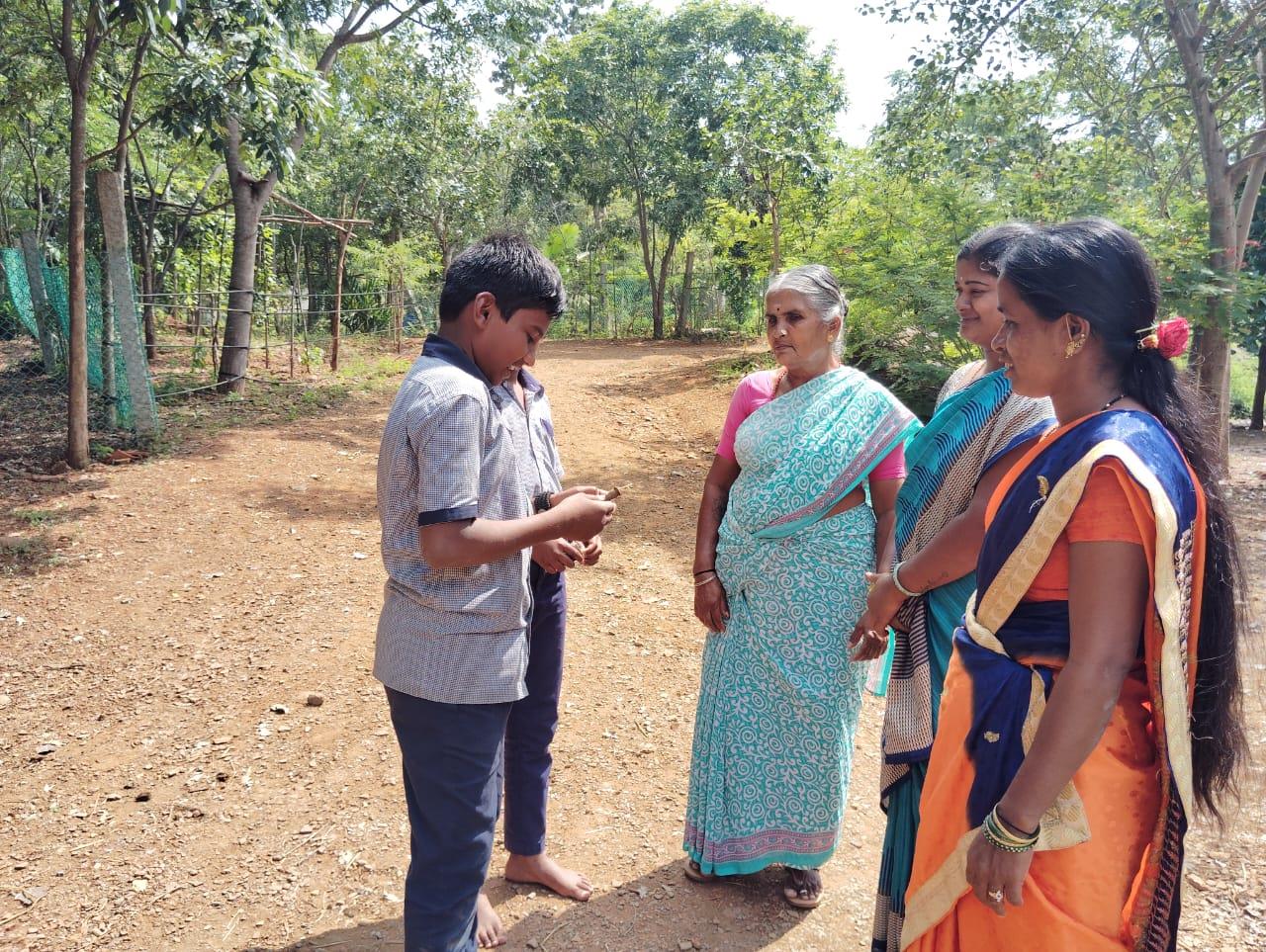
To share the project with my school and community, I organized a series of presentations and workshops. I shared the project with teachers, students, farmers, and local residents, explaining the benefits of the eco-friendly insect and rat repellent and how it could help reduce reliance on chemical pesticides. The response was positive, with many showing interest in learning how to make the repellent and apply it to their own homes or farms, expressing excitement about using a natural, sustainable alternative to chemical solutions.

20-50

To sustain the impact of the project, I plan to continue educating the community through regular workshops and informational sessions on the benefits of eco-friendly pest control. I will establish partnerships with local farmers, schools, and environmental groups to ensure ongoing use and promotion of the natural repellent. Additionally, I will encourage the community to share their experiences and results, fostering a culture of sustainability and collective responsibility for pest control.